Play-Based Learning vs. Traditional Education: What Parents Need to Know
15 August 2026
Every parent reaches a point where they must choose how their child will spend the first years of formal schooling. The decision feels heavy because it is. The classroom your child enters at age five or six will shape how they view learning, authority, and their own abilities for years to come. The two dominant approaches, play-based learning and traditional education, are often presented as opposites, but the reality is far more complex. Understanding the actual differences, the strengths and weaknesses of each, and the specific needs of your child will help you make a choice that fits your family, not just a trend.
The Core Philosophy Behind Each Approach
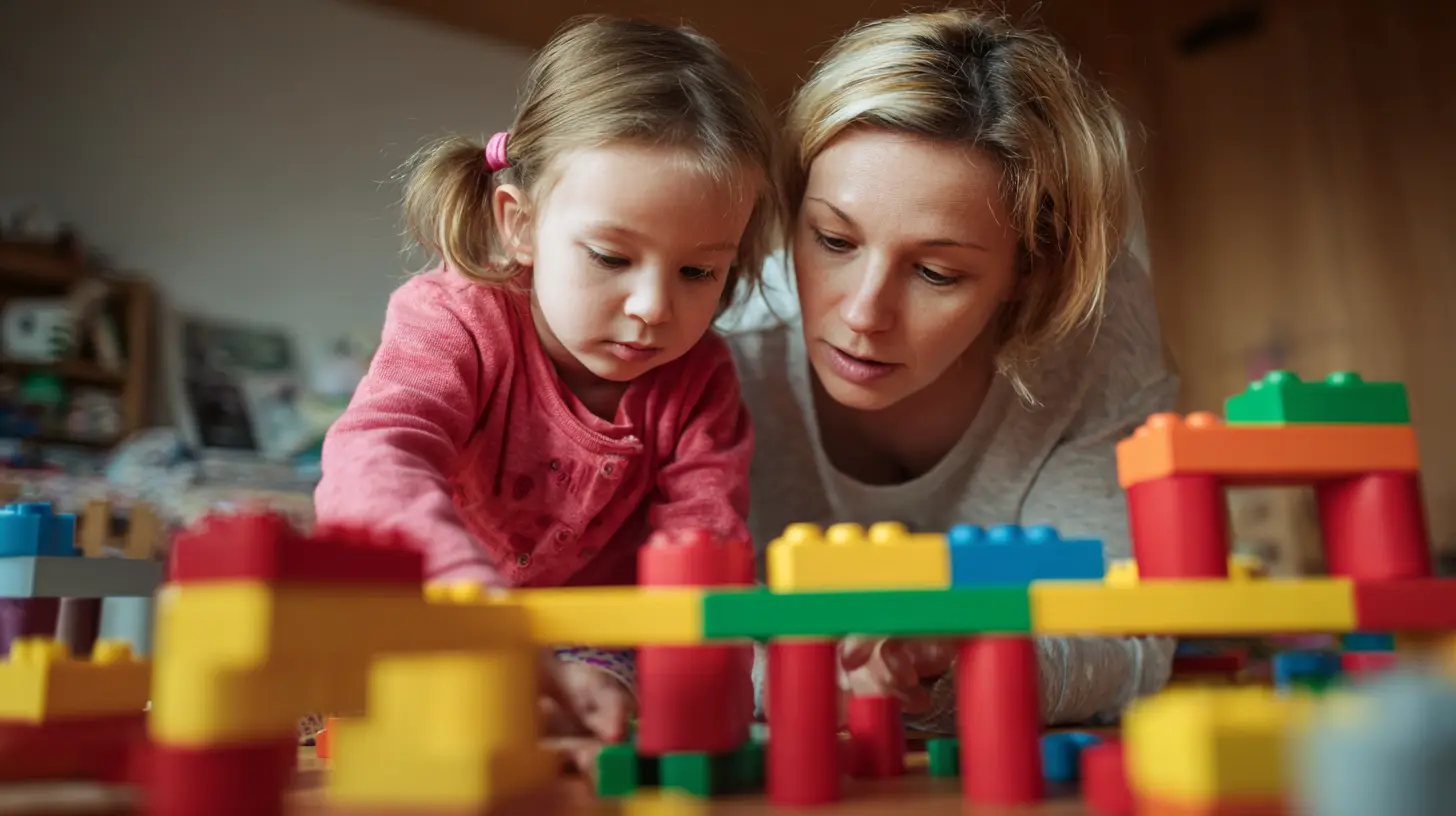
Traditional education, sometimes called direct instruction, is built on a simple premise: the teacher holds knowledge and delivers it to students in a structured, sequential way. Lessons are planned around specific academic goals. The teacher explains, models, and then assigns practice work. Mastery is measured through tests, quizzes, and graded assignments. The classroom is typically quiet, with desks facing forward and a clear hierarchy between instructor and student. The focus is on efficiency. If the goal is to teach multiplication tables or the rules of grammar, direct instruction gets that done faster than almost any other method.Play-based learning starts from a completely different assumption. It holds that children are natural explorers who learn best when they are actively engaged, curious, and having fun. The teacher becomes a facilitator or guide rather than a lecturer. The classroom might look chaotic to an outsider, with children building block towers, acting out stories, or pouring water between cups. But beneath the apparent mess is a carefully designed environment. The teacher sets up stations and materials that encourage specific types of thinking. A bin of shells and magnifying glasses invites scientific observation. A play kitchen with menus and price tags introduces early math and literacy. The learning is embedded in the activity, not separated from it.
Neither philosophy is wrong. They are answering different questions. Traditional education asks, "What do we want the child to know by the end of this lesson?" Play-based learning asks, "What is the child ready to understand, and how can we let them discover it themselves?"
What the Research Actually Says
Parents often hear conflicting claims about which method is superior. The truth is that research supports both, but for different outcomes. Studies on direct instruction show that it produces strong gains in early literacy and numeracy skills. Children in traditional classrooms often score higher on standardized tests in kindergarten and first grade. This makes sense. If you drill letter sounds and number facts daily, children will memorize them faster.However, the picture changes when you look at longer-term outcomes. Research on play-based programs, particularly those that follow the Montessori or Reggio Emilia models, shows that children from these environments often develop stronger executive function skills. These are the mental processes that help with planning, focus, and self-control. They also tend to show more creativity, better social problem-solving, and a more positive attitude toward school. By third or fourth grade, the academic gap between the two groups often narrows or disappears entirely. In some studies, children from play-based backgrounds actually surpass their traditionally schooled peers in reading comprehension and complex math problem-solving.
The reason for this delayed advantage is not mysterious. Play-based learning teaches children how to think, not just what to remember. A child who builds a bridge out of blocks and watches it collapse learns about physics, frustration, and revision. A child who memorizes the word "bridge" and its definition learns vocabulary. Both are valuable. But the child who experienced the collapse understands something deeper about structure and resilience that cannot be captured in a spelling test.
That said, there is a critical caveat. Play-based learning only works well when it is intentional. The teacher must be highly skilled and actively involved. Simply letting children run wild with toys is not education. High-quality play-based programs are carefully scaffolded. The teacher observes, asks open-ended questions, and introduces new challenges at the right moment. A poorly run play-based classroom can leave children behind academically, especially those who do not get academic support at home.
The Social and Emotional Trade-Offs
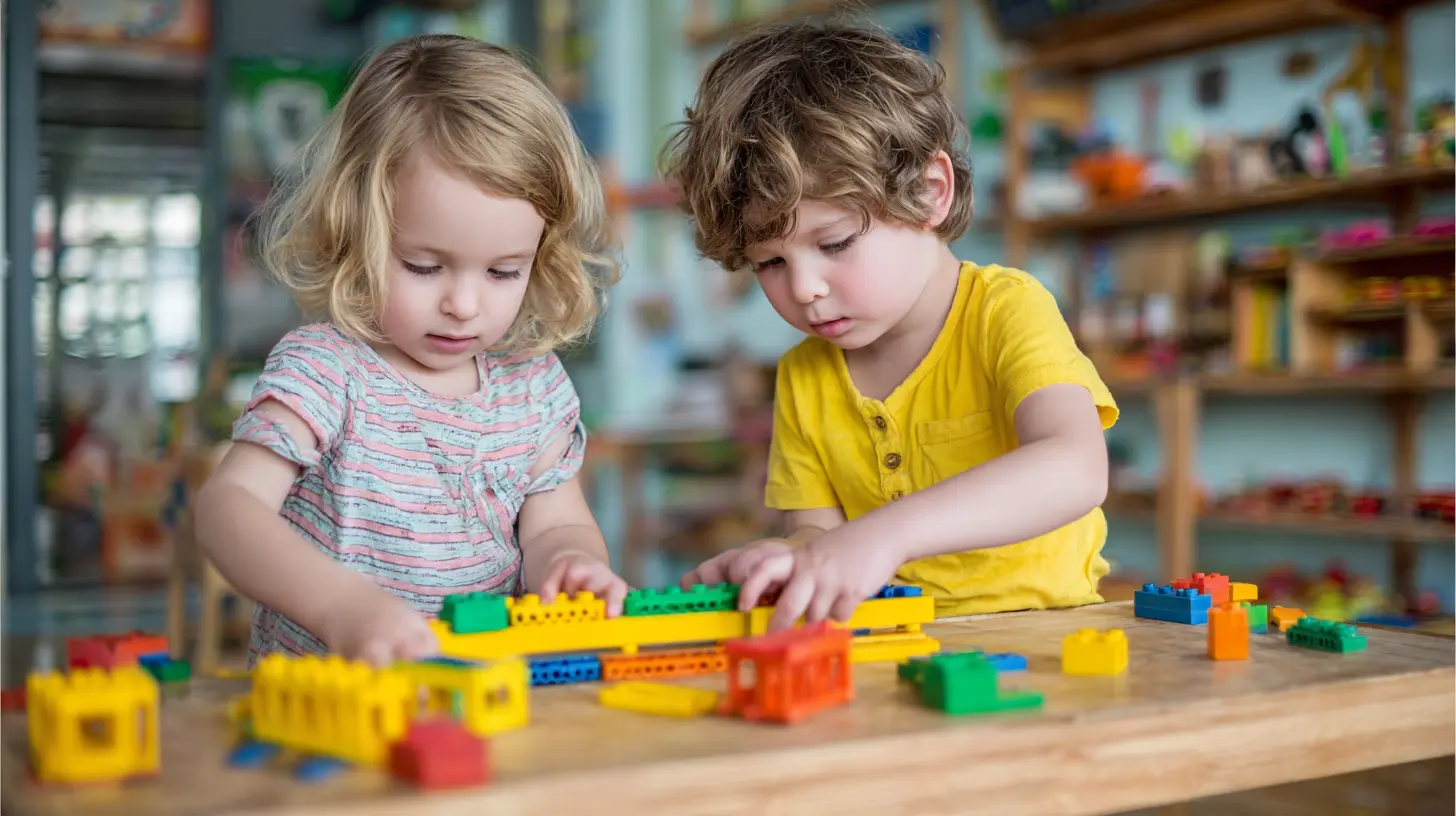
One of the biggest differences parents notice is how children feel about going to school. Traditional classrooms can be stressful for young children, especially those who are not developmentally ready to sit still for long periods. A five-year-old who is forced to do worksheets for hours may internalize the message that school is hard and boring. This can lead to anxiety, behavioral issues, and a lasting dislike of learning.Play-based classrooms, on the other hand, tend to be emotionally safer. Children have more autonomy and are less likely to feel judged. They learn to negotiate with peers, share materials, and work through conflicts without constant adult intervention. These social skills are not just nice to have. They are foundational for success in any career or relationship. A child who learns to collaborate in kindergarten is better equipped to work in a team in college or the workplace.
But there is a downside to the freedom of play-based learning. Some children thrive on structure. A child who is naturally anxious or easily overwhelmed may feel lost in an open-ended environment. They may need clear expectations and direct guidance to feel secure. For these children, the predictability of a traditional classroom can be a relief. The challenge for parents is recognizing which type of child you have, and that can be harder than it sounds. A child who is chaotic at home might actually crave structure at school. A child who seems calm and independent might need more freedom to explore.
Academic Readiness and the Pressure to Perform
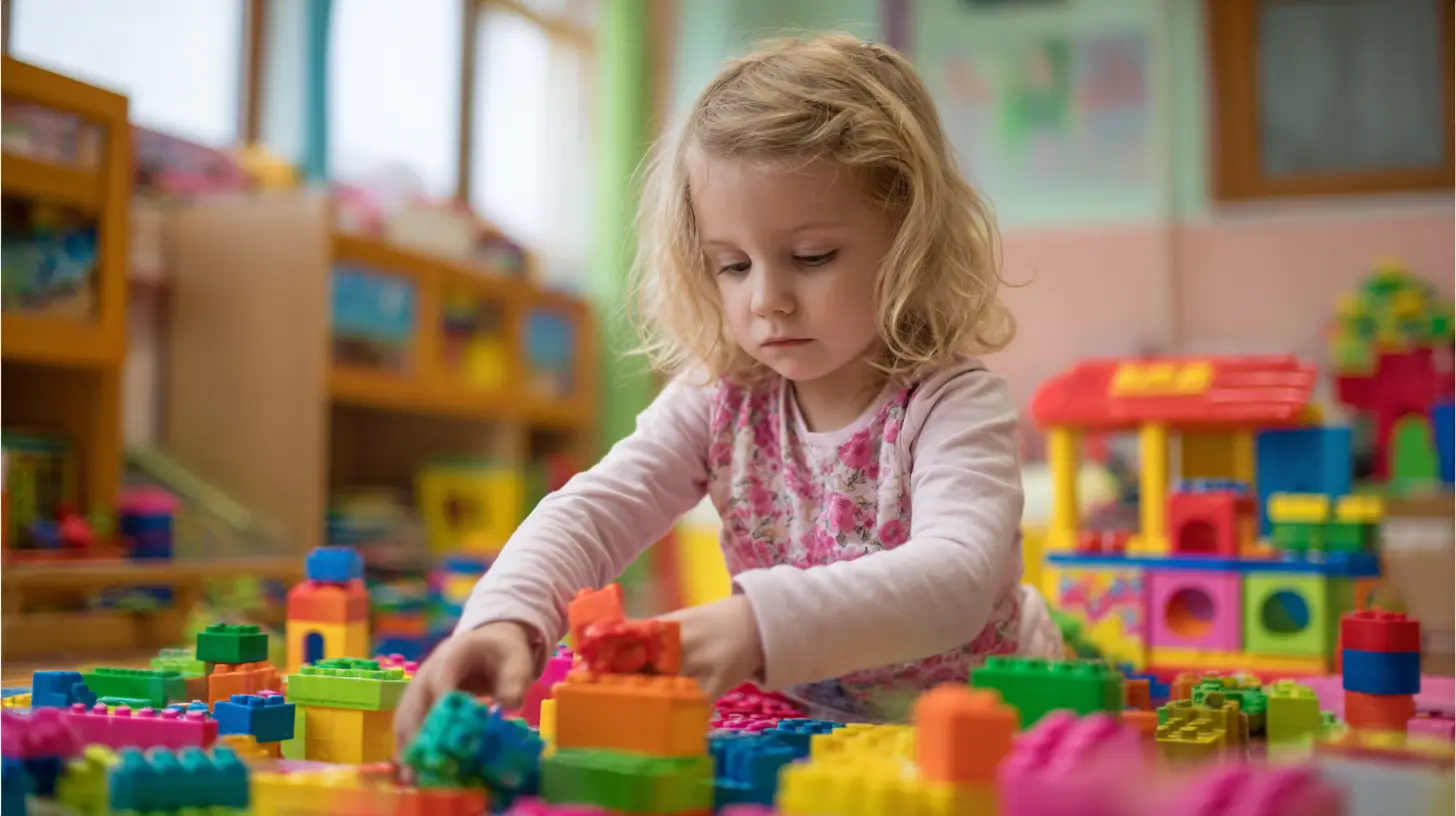
The biggest source of parental anxiety is the fear that a play-based child will be behind when they reach first grade. This fear is not entirely unfounded. If a play-based program does not explicitly teach phonics and number sense, a child may enter first grade without knowing all their letters or being able to count to 100. In a traditional school district with a fast-paced curriculum, that child might struggle initially.However, parents need to understand that early academic gains are often superficial. Memorizing letter names is not the same as understanding that letters represent sounds. Counting to 100 by rote is not the same as understanding that numbers represent quantities. Play-based learning tends to build deeper conceptual understanding, even if it takes longer to show up on a test. A child who has played store and counted out fake money understands addition and subtraction on a practical level. They may not write the equation, but they know that three apples plus two apples equals five apples.
The real question is not whether your child can read by age six. It is whether they will still love reading at age twelve. Traditional education can produce early readers who later burn out because the pressure was too intense. Play-based education can produce late readers who become voracious because they discovered books on their own terms. Neither outcome is guaranteed, but the risk profile is different.
If you are considering a play-based program, look closely at how they handle the transition to formal academics. The best programs begin introducing structured literacy and numeracy around age five or six, but they do it through games, songs, and hands-on activities rather than worksheets. This hybrid approach gives children the best of both worlds, but it requires a school that is honest about what they do and do not teach.
Common Misconceptions Parents Have
Many parents assume that play-based learning means there are no rules, no structure, and no academic content. This is false. High-quality play-based classrooms have routines, expectations, and learning goals. The difference is that the goals are achieved through child-led activities rather than teacher-led lectures. For example, a teacher might want the children to understand the concept of sorting. Instead of giving them a worksheet with pictures of animals to categorize, she might put out a bin of mixed buttons and ask the children to organize them. The children sort by color, size, or number of holes, and in doing so, they learn the underlying principle.Another misconception is that traditional education is always rigid and boring. This is also false. A skilled traditional teacher can be dynamic, engaging, and creative. The method does not preclude enthusiasm. The problem is that traditional methods are more dependent on the teacher's personality and skill. A weak traditional teacher can fall back on worksheets and lectures. A weak play-based teacher can fall back on letting the children do whatever they want. Both are failures, but they look very different.
Parents also often believe that the choice is permanent. It is not. Many children switch between approaches at different ages. A child might do well in a play-based preschool and then transition to a traditional kindergarten. Another might need the structure of traditional schooling in early grades and then move to a more progressive program later. The key is to monitor your child's progress and happiness, not to commit to a single philosophy forever.
The Role of the Parent at Home
Your choice of school matters, but what you do at home matters just as much. A child in a traditional school can still benefit from free play at home. A child in a play-based school still needs you to read to them and practice basic skills. The worst situation is when parents outsource all learning to the school and do nothing at home, regardless of the method.If your child is in a traditional program, make sure they have unstructured time every day. Let them build forts, draw, pretend, and get bored. Boredom is where creativity comes from. If your child is in a play-based program, make sure you are reading together daily and pointing out letters and numbers in the environment. The grocery store is a math classroom. The street signs are a reading lesson. You do not need to be a teacher, but you do need to be engaged.
One practical tip is to talk to your child about their day in specific ways. Instead of asking, "What did you do today?" which usually gets a shrug, ask, "What was the hardest thing you tried today?" or "What did you build or make?" These questions work for both educational approaches and give you insight into how your child is actually learning.
How to Evaluate a School
When you visit a school, do not just look at the test scores. Look at the children's faces. Are they engaged? Are they moving around? Are they talking to each other? Are they asking questions? A classroom that is silent all the time is not necessarily a good classroom. A classroom that is noisy all the time is not necessarily a bad one.Ask the teachers about their philosophy and how they handle children who struggle. A traditional school should be able to explain how they support slower learners without making them feel bad. A play-based school should be able to explain how they ensure that children are actually learning, not just playing. If a teacher cannot articulate their approach clearly, that is a red flag.
Also, consider the class size and the teacher-to-child ratio. Both methods require attention, but they require it in different ways. A traditional teacher with thirty children can still deliver a lesson to the whole group. A play-based teacher with thirty children will struggle to facilitate meaningful individual exploration. Smaller classes are almost always better for play-based learning.
The Financial and Logistical Reality
Let us be honest about the practical side. High-quality play-based programs, especially Montessori and Reggio Emilia schools, are often private and expensive. Traditional public schools are free and accessible. For many families, the decision is not between two equally available options. It is between a free traditional school and a costly alternative. This is a legitimate constraint, and you should not feel guilty if you cannot afford a private play-based program.The good news is that many public schools are incorporating play-based elements into their early grades. Kindergarten has changed dramatically in the last twenty years. Many public school kindergartens now include learning centers, hands-on activities, and project-based work alongside direct instruction. The old image of children sitting in rows doing worksheets all day is outdated in many districts. Visit your local public school before assuming it is purely traditional.
If you do choose a traditional school because of cost or convenience, you can supplement at home. Set up a play corner with open-ended materials like blocks, art supplies, and dress-up clothes. Take your child to the park regularly. Enroll them in a community sports or art class. These experiences provide the benefits of play-based learning without the tuition bill.
When Traditional Education Is the Better Choice
There are situations where traditional education is clearly preferable. If your child has a learning disability that requires explicit, systematic instruction, a structured approach is often more effective. Children with dyslexia, for example, need direct phonics instruction that play-based programs may not provide. If your child has ADHD, the predictability of a traditional classroom can help them manage their impulses, provided the teacher is understanding and not punitive.Also, some children simply prefer structure. They like knowing exactly what is expected and feel anxious with too much freedom. Forcing a child like this into a play-based environment can backfire. They may wander aimlessly or become frustrated with the lack of direction. The goal is to match the environment to the child, not to the parent's ideology.
When Play-Based Learning Is the Better Choice
Play-based learning shines in the early years, roughly ages three to seven. During this period, children's brains are developing rapidly, and they learn best through sensory experiences and social interaction. Forcing formal academics too early can actually be counterproductive. The Finnish education system, which delays formal reading instruction until age seven, produces some of the best readers in the world. This is not a coincidence.If your child is naturally curious, energetic, and social, a play-based environment will likely feel like a natural fit. They will thrive on the freedom to explore and the emphasis on collaboration. If you value creativity, independence, and a love of learning over early test scores, play-based education aligns with those values.
The Hybrid Approach That Most Experts Recommend
The most honest answer to the play-based versus traditional debate is that most children benefit from a blend. The ideal early childhood program would include both structured time for direct instruction in foundational skills and unstructured time for child-led exploration. This is sometimes called a balanced or integrated approach.In practice, this might look like a morning where the teacher leads a twenty-minute phonics lesson, followed by an hour of free choice time where children can practice those skills in play centers. The phonics lesson ensures that children learn the code. The play centers ensure that they internalize it. This approach requires a skilled teacher who can move fluidly between roles, but it is achievable.
As a parent, you can advocate for this balance. If your child's school is too rigid, ask if they can incorporate more hands-on activities. If the school is too loose, ask how they are ensuring academic progress. Schools are not monolithic. They respond to parent input, especially when it is constructive and informed.
The Long-Term Perspective
When you are in the middle of choosing a school, it is easy to focus on the immediate future. Will my child learn to read? Will they make friends? Will they behave? But the real question is what kind of adult you want your child to become. Do you want someone who follows instructions well and performs on tests? That is a valuable skill. Do you want someone who asks questions, solves problems creatively, and collaborates with others? That is also valuable.The best education prepares a child for a world we cannot predict. We do not know what jobs will exist in twenty years. We do not know what problems our children will face. But we do know that adaptability, curiosity, and resilience will matter. Both play-based and traditional education can cultivate these traits, but they do so in different ways.
A child from a traditional background learns discipline and perseverance. They learn that hard work leads to results. A child from a play-based background learns initiative and creativity. They learn that their own ideas have value. The ideal is a child who has both sets of skills. That child is more likely to come from a home where the parents valued learning in all its forms, regardless of the school's label.
Practical Steps for Making Your Decision
Start by writing down your child's temperament, your family's schedule, and your educational values. Be honest about what you can afford and what is logistically possible. Then visit at least three schools, including one that is predominantly traditional and one that is predominantly play-based. Spend time in the classrooms. Watch the children. Talk to the teachers. Ask about their discipline policies, their approach to reading instruction, and how they handle children who are ahead or behind.Do not make the decision based on a single factor like test scores or a friend's recommendation. Your child is unique. What worked for your neighbor's daughter may not work for your son. Trust your instincts, but also gather data. If you are torn, choose the school that seems to have the happiest children and the most engaged teachers. Happy children learn. Engaged teachers teach. Everything else is secondary.
Finally, remember that you can change course. If your child is miserable after three months, that is information. If they are not making academic progress, that is also information. Talk to the teacher, consider a switch, or supplement at home. The worst thing you can do is ignore the signs and stick with a bad fit out of stubbornness. Your child's education is a journey, not a single decision.
all images in this post were generated using AI tools
Category:
Play Based LearningAuthor:

Steven McLain
Discussion
rate this article
1 comments
Elidi Hernandez
Both approaches have value; balance is key for every child.
August 19, 2026 at 4:41 AM
Steven McLain
I completely agree. Each child benefits from a blend of both approaches, allowing for holistic development.