Overcoming the Fear of Failure in Youth Sports
30 March 2026
Fear of failure — it's that little voice in the back of a young athlete’s head whispering, “What if you miss the shot?” or “What if everyone laughs at you?” If you’re a parent or coach, chances are you’ve seen this fear show up on the field, the court, the pool — anywhere kids compete. It’s not just about the game. It’s about how kids see themselves and how they learn to handle life’s curveballs.
In youth sports, fear of failure can be a major roadblock. It holds kids back from giving their best effort, trying new skills, and most importantly, having fun. But here's the good news: With the right support and mindset, young athletes can learn to face failure head-on, build resilience, and come out stronger.
In this article, we'll break down where this fear comes from, why it's common in young athletes, and most importantly, how parents, coaches, and even kids themselves can overcome it.
What Does Fear of Failure in Youth Sports Look Like?
Fear of failure isn't always dramatic. Sometimes, it's subtle. A kid might pretend to be sick before a game, take a backseat in practice, or even quit a sport they once loved. It’s not laziness or lack of interest — it's fear wearing a disguise.Here are a few signs to look out for:
- Avoids trying new techniques (because failing looks worse than not trying)
- Perfectionist tendencies (believes one mistake ruins everything)
- Excessive worry before games (or pretending they don’t care to mask fear)
- Frustration or meltdowns after errors
- Lack of confidence despite ability
Sound familiar? You're not alone.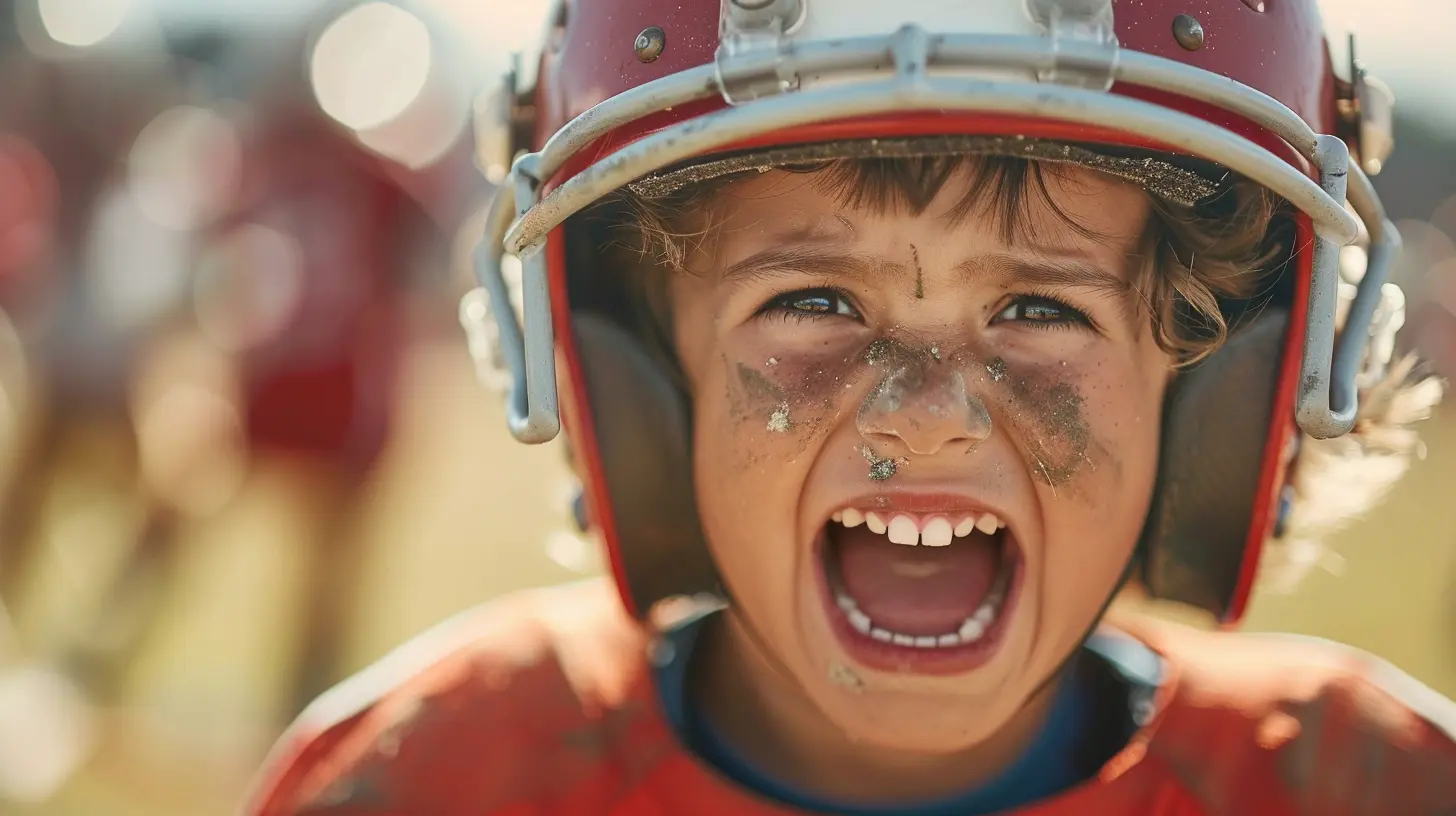
Where Does This Fear Come From?
Let’s be honest — fear of failure isn’t just a “kid problem.” Most of us adults carry it too. But in youth sports, several things can magnify it:1. Pressure from Adults
Even well-meaning parents and coaches can unintentionally pile on pressure. Comments like “You have to win,” or “Don’t mess up this time,” might sound motivational to us, but to a kid? It’s overwhelming.2. Unrealistic Expectations
Kids compare themselves — to teammates, pros on TV, or even their older siblings. If they're constantly aiming for perfection, failure feels like a dead end instead of a stepping stone.3. Social Judgment
Let’s not underestimate the power of peer opinions. The fear of being laughed at, benched, or called out in front of others can be paralyzing.4. Misunderstanding What Failure Means
Many kids (and, truthfully, many adults) see failure as a final verdict. They think, “I failed, therefore I’m not good enough.” In reality, failure is a lesson — a necessary part of growth.
Why It's Crucial to Overcome Fear of Failure Early
So, why does all this matter?Because the effects go way beyond a single game.
Fear of failure can:
- Crush self-confidence
- Lead to burnout or quitting sports altogether
- Cause anxiety and stress
- Prevent skill improvement
But perhaps the biggest consequence? Kids miss out on the life lessons sports can teach — like grit, teamwork, and persistence.
That’s why helping kids tackle this fear isn’t just good for their game — it’s good for their growth.
8 Practical Ways to Help Kids Overcome Fear of Failure
Let’s get into the good stuff — real, actionable strategies you can use as a parent, coach, or mentor.1. Redefine Failure
Change the narrative. Instead of “failure = bad,” help kids see failure as feedback. A misstep in a game? That’s just data. A missed goal? That’s a chance to adjust. Remind them: Even professional athletes make mistakes — a lot of them.Try saying:
“Failure isn’t the opposite of success — it’s part of success.”
2. Praise the Effort, Not the Outcome
Instead of saying, “Great job winning,” say, “I loved how hard you worked out there.” Kids need to hear that their effort matters more than the scoreboard. This shift nurtures a growth mindset — the belief that abilities can improve through practice.3. Normalize Mistakes
Be open about your own mistakes, whether in sports, work, or parenting. When kids see adults handling failure with humor and grace, they learn that it’s okay to mess up.Try asking: “What mistake did you make today — and what did you learn from it?”
It’s a game changer.
4. Let Them Fail (Safely)
This one’s tough, but crucial. Don’t rush in to fix everything. Let them miss the shot. Let them learn how it feels, then guide them through bouncing back.Remember: Short-term discomfort often leads to long-term growth.
5. Focus on the Process Over Results
Sure, winning feels great. But focusing only on outcomes reinforces fear. Instead, celebrate progress. Did your child finally try their left foot in soccer? That’s a win, even if the ball missed the goal.Ask: “What went well today?” instead of “Did you win?”
6. Use Visualization Techniques
Encourage kids to picture themselves succeeding — making the pass, landing the tumble, sinking the shot. Mental practice can help build confidence and reduce anxiety.Bonus tip? Teach them to visualize handling failure well too. It reinforces that even tough moments are manageable.
7. Work on Self-Talk
Kids often beat themselves up after mistakes — “I’m the worst,” “I can’t do anything right.” Teach them to replace negative self-talk with something more realistic and kind.Try switching:
“I suck at this” → “I’m still learning this.”
8. Encourage Multiple Interests
Let kids explore more than one sport or hobby. This reduces the pressure to be perfect in just one area. Plus, it reminds them they’re more than their performance.What Parents Need to Remember
You may not have realized it, but your influence is huge. Kids pick up on your tone, your expressions after a game, even your sideline cheers (or groans). Here are some things to keep in mind:✅ Be a Safe Space
Let your child know your love and pride aren’t tied to performance. Your job isn’t to be the coach — it’s to be the anchor.✅ Keep Post-Game Talks Light
After a tough game, kids don’t need a play-by-play of what went wrong. Let them decompress. Offer a hug, a snack, and maybe a “You worked really hard out there.”✅ Model Growth
Show them that you also take risks, make mistakes, and keep learning. Kids mirror what they see.What Coaches Can Do Differently
Coaches have an incredible opportunity to shape how kids perceive failure. Here’s how:- Create a culture where effort is celebrated
- Give constructive, not crushing feedback
- Use mistakes as teaching moments
- Encourage team support instead of blame culture
- Address individual fears privately, not publicly
A coach who sees the big picture — building character as well as skills — makes all the difference.
A Word to the Young Athletes
Hey, if you’re a kid reading this — you’re braver than you know. Every time you step on that field or into that pool, you're doing something a lot of adults are afraid to do: put yourself out there.Remember this: You don’t have to be perfect to be proud of yourself.
Failure isn't the end. It's the beginning of something amazing — a stronger, wiser, more resilient you.
Final Thoughts: Let Kids Be Kids
Look, youth sports should be fun. Yes, there's competition. Yes, improvement matters. But at the heart of it all, sports are about connection, growth, and joy.When we help young athletes kick their fear of failure to the curb, we’re not just making better players — we’re helping grow more confident, capable human beings.
So, the next time your child misses a shot, remind them it’s just one moment — not their whole story.
And maybe, just maybe, remind yourself of that too.
all images in this post were generated using AI tools
Category:
Kids And SportsAuthor:

Steven McLain
Discussion
rate this article
2 comments
Calaris Sharp
This article offers valuable insights into helping young athletes navigate their fear of failure. Encouraging a growth mindset and emphasizing effort over outcomes can significantly boost their confidence and resilience. Thank you for addressing such an important topic in youth sports development!
April 3, 2026 at 4:36 AM
Steven McLain
Thank you for your kind words! I'm glad you found the insights helpful. Supporting young athletes in building resilience is so crucial.
Xavier Stewart
Embrace challenges; they build confidence and resilience!
March 31, 2026 at 4:31 PM
Steven McLain
Absolutely! Embracing challenges is key to growth, helping young athletes build the confidence and resilience they need to succeed both in sports and life.