Managing Parenting Stress During Major Transitions, Big and Small
18 February 2026
Let’s be honest for a second—parenting isn’t for the faint of heart. It’s a whirlwind of sticky fingers, early mornings, bedtime battles, and moments so heartwarming they make all the chaos worth it. But when life throws a curveball—like a big move, a divorce, a new baby, or even just changing schools—that’s when the real pressure cooker kicks in.
Managing parenting stress during major transitions, both big and small, can feel overwhelming. And sometimes, just knowing you're not alone in the struggle makes a world of difference. So, take a deep breath (seriously, do it), grab your favorite mug of coffee or tea, and let’s talk about how to navigate these choppy parenting waters without losing yourself in the process.
Why Transitions Hit So Hard
Ever notice how even the smallest shift in routine sends everything into tailspin mode? Kids thrive on routine and predictability, and let’s face it—so do we as parents. When something changes, whether it’s a new job, a move to a new city, or even switching from summer break back to school, stress creeps in.These transitions tug at the heartstrings, poke at our insecurities, and test our patience. They can stir up old fears while demanding a new level of emotional strength we didn’t know we had. And most of the time, we’re expected to smile through it all like it’s no big deal.
Here’s the truth—transitions are a big deal. And it’s okay to feel stressed, scared, or even resentful sometimes.
Identifying The Signs of Parenting Stress
Sometimes, we don’t even realize how much stress we’re carrying. It becomes the background noise in our lives until something finally breaks. Recognizing the signs early can save your sanity.Here are some common red flags:
- You feel constantly tired, even after sleeping.
- You’re snapping at your kids (or partner) over little things.
- Your patience has gone MIA.
- You feel mentally checked out.
- You're more emotional than usual—crying out of nowhere or feeling anxious for no reason.
Sound familiar? You're not alone. This isn't about blaming yourself—it's about catching those stress signals before they snowball.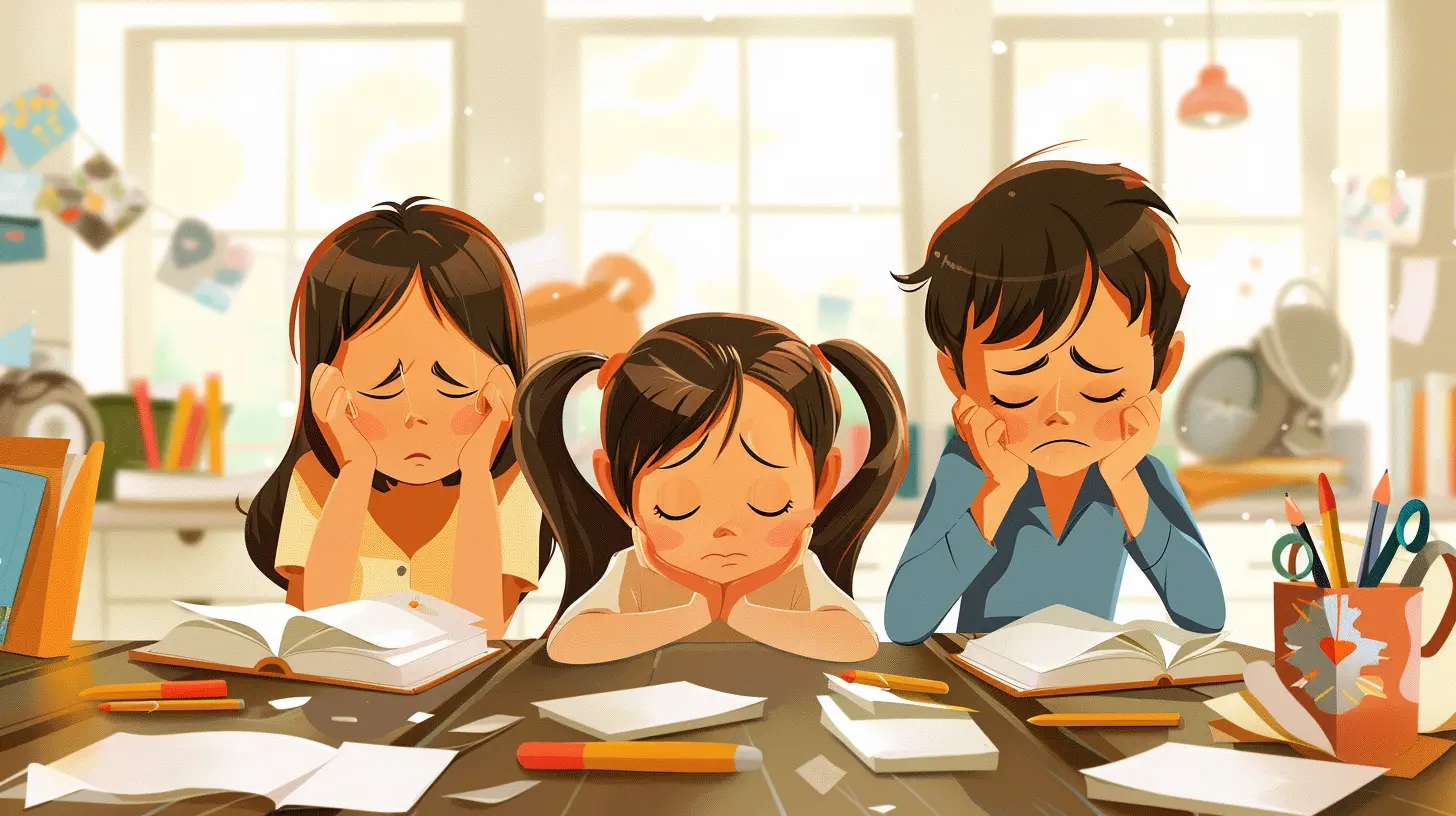
How Big Transitions Affect Families
Let’s dive a little deeper. What kinds of transitions are we talking about here?1. Moving to a New Home
This one might seem minor to adults, but to kids, it's massive. They're leaving behind friends, familiarity, maybe even their bedroom sanctuary. It can shake their sense of stability.Parents, on the other hand, juggle packing, logistics, financial strain, and the emotional task of helping everyone cope.
2. Divorce or Separation
Few transitions are as emotionally charged as this one. Suddenly, the family unit looks different. It can bring guilt, confusion, anger, and sadness—for everyone involved. And while you're managing your own grief, your kids are navigating theirs.3. Welcoming a New Baby
Ah yes, the joyful yet jarring arrival of a new family member. Ask any parent with more than one kid and they’ll tell you—it’s an adjustment! Between sleepless nights and sibling jealousy, it's no wonder stress levels spike.4. Job Changes or Financial Shifts
When a parent's work situation changes, the entire household feels it. Whether it’s more hours, a layoff, or just a new environment, it can throw your emotional compass off.5. School Transitions
From preschool to kindergarten, elementary to middle school, or even switching schools midway, educational transitions bring a lot of anxiety. New teachers, peers, expectations—it can be intimidating for both kids and parents.
Practical Ways to Cope with Parenting Stress During Transitions
Alright, enough about why it’s hard—let’s get into the good stuff. How can you manage parenting stress when life’s in flux?1. Give Yourself Permission to Feel
You’re allowed to be overwhelmed. You’re allowed to cry. You’re human. Suppressing emotions doesn’t make you strong—it makes you explode later. Say it with me: “It's okay not to be okay.”Let your kids also feel their emotions. Don’t rush them through the sadness or anxiety. Just be there. They don’t always need solutions—just your presence.
2. Communicate Openly (Even If It's Messy)
Talk to your kids about what's happening in language they can understand. Be honest, but not alarming. "We’re moving, and that means some things will change, but we’re still together, and that matters most."When kids feel included in the conversation, they feel more secure. Uncertainty breeds fear, so give them the gift of knowing what to expect—even if it's just the little things.
3. Stick To Routines Wherever Possible
During chaos, cling to your routines like a life raft. Kids find comfort in predictable schedules. If bedtime is usually at 8 p.m., try to stick to that—even if everything else is up in the air.Routines offer emotional grounding. When the outside world feels uncertain, at least bedtime stories and breakfast pancakes can stay the same.
4. Ask for Help (No, Really)
You don't earn medals for doing it all alone. Call in favors. Talk to a therapist. Accept that extra dinner from a neighbor. Hire a babysitter if you can swing it—even if it's just for an hour so you can breathe.Asking for help isn't weakness. It's wisdom.
5. Prioritize Self-Care (Even in 5-Minute Doses)
Self-care isn’t always bubble baths and spa days. Sometimes it's a quiet walk around the block. A quick stretch. A deep breath. One uninterrupted cup of coffee.Small moments of recharge matter. They help reset your nervous system so you’re not operating from a place of burnout.
6. Stay Flexible
Life transitions rarely go as planned. Be okay with Plan B—or even Plan Z. Kids will remember your calm, not your perfect.Let go of unrealistic expectations. There’s no such thing as a “Pinterest-perfect” life in real transitions. And that’s more than okay.
7. Normalize Change Through Stories and Play
Books, role-playing games, and even shows can help kids understand what they're experiencing. Say you're moving—find a book about a character who moves and talk it through.Play out scenarios with toys or dolls. Let your child express their thoughts in a way that feels safe to them.
Supporting Your Child Emotionally
Your kids look to you as their emotional compass, even if they don't say it out loud. So how do you help them feel secure during uncertain times?- Be Emotionally Available: Sit with them, snuggle, or just be nearby. You don’t always need to talk—just be present.
- Reassure Them Often: Kids need lots of reminding that they are safe, loved, and that you're in this together.
- Watch Their Behavior: Kids may not say “I’m stressed,” but you’ll see it in acting out, regression, or clinginess. Meet them with compassion, not punishment.
- Celebrate Small Wins: Whether it’s getting through their first day at a new school or sleeping in their own bed again, every milestone counts.
When To Seek Extra Support
Sometimes, love and home remedies aren’t enough—and that’s okay. If you or your child are experiencing prolonged sadness, anxiety, mood shifts, behavioral problems, or sleep issues, it might be time to speak with a professional.Therapists, counselors, and even school psychologists can be incredible resources. You don’t have to walk this path alone.
The Long-Term Payoff of Managing Stress Well
Here’s the silver lining: every stressful transition you survive teaches both you and your kids resilience. Think of it like emotional muscle-building.They learn how to adapt. You learn how to stay grounded. And together, you forge a deeper bond built on trust, love, and shared experience.
Yes, it’s hard. But you’re doing better than you think. Your presence, your effort, your love—it all matters. Especially in the storm.
Final Thoughts
Parenting through transitions isn’t about being perfect. It’s about showing up—even when you're tired, overwhelmed, and unsure. It's about modeling that it’s okay to feel big feelings. It’s about choosing connection over control.So the next time life throws another transition your way, take a moment and remind yourself—you’ve got this. Not because it's easy, but because your love is stronger than the chaos.
And if your kids end up a little stronger, a little wiser, and a lot more loved because of it? Well, you're doing something pretty incredible.
all images in this post were generated using AI tools
Category:
Parenting StressAuthor:

Steven McLain
Discussion
rate this article
2 comments
James Martin
Embrace the chaos; you're doing great!
February 27, 2026 at 6:08 PM
Steven McLain
Thank you! Embracing the chaos is essential—it's all part of the journey!
Oriana Brooks
Transitions are like toddler tantrums: messy, unpredictable, but ultimately part of growth. Embrace the chaos, and find humor in the hustle!
February 18, 2026 at 4:28 AM
Steven McLain
Absolutely love this analogy! Embracing the chaos of transitions can definitely lead to growth and laughter amidst the challenges. Thank you for sharing!