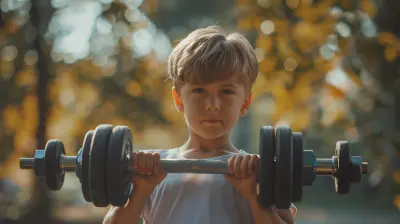
How to Teach Your Child the Value of Practice and Discipline in Sports
16 June 2026
When it comes to sports, we often marvel at the athletes who make it look effortless—the tennis player with a perfect serve, the gymnast nailing a flawless routine, or the soccer player scoring that game-winning goal. But if you pull back the curtain, you'll quickly find that their success didn’t come overnight. It’s the result of countless hours of practice and unwavering discipline.
As parents, we hope our children can adopt these virtues, not just for sports but for life as a whole. But how do you teach your child the value of practice and discipline in a way that sticks? Let’s break this down into practical steps that can truly resonate with your young athlete. 
Why Practice and Discipline Matter in Sports
Before we dive into the "how," let’s talk about the "why." Why is it so important for kids to understand the value of practice and discipline in sports?Think about it—sports aren’t just about winning or losing. They’re about growth, resilience, and building character. When kids learn to practice consistently, they develop patience and realize that improvement doesn’t happen with a snap of a finger. Discipline, on the other hand, teaches them to stay focused, even when the going gets tough.
These lessons go beyond the playing field. They shape the way your child approaches school, relationships, and future challenges. It’s not just about scoring goals; it’s about setting goals. 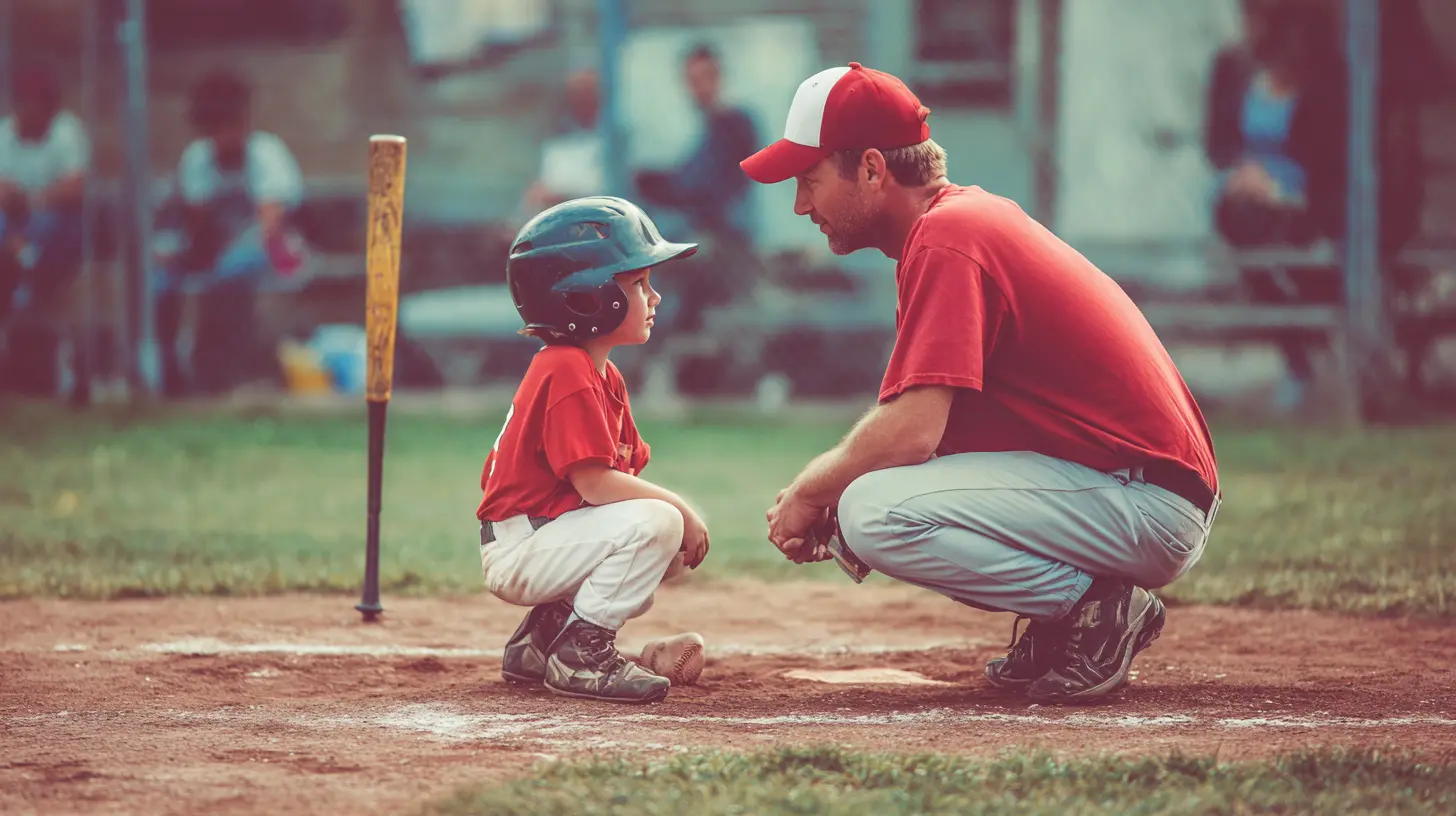
Start with a Conversation
The first step in teaching your child the value of practice and discipline in sports is to have an open and honest conversation. Make it relatable and easy to understand.You can say something like, "You know how you love watching [favorite sports icon] play? Do you think they woke up one day and were instantly great? Nope—they practiced for years and made sacrifices to get there."
By connecting the dots between their role models and the effort it took to achieve greatness, you’re planting the seed. Kids need to understand that no one starts out as an expert, and that’s perfectly okay. 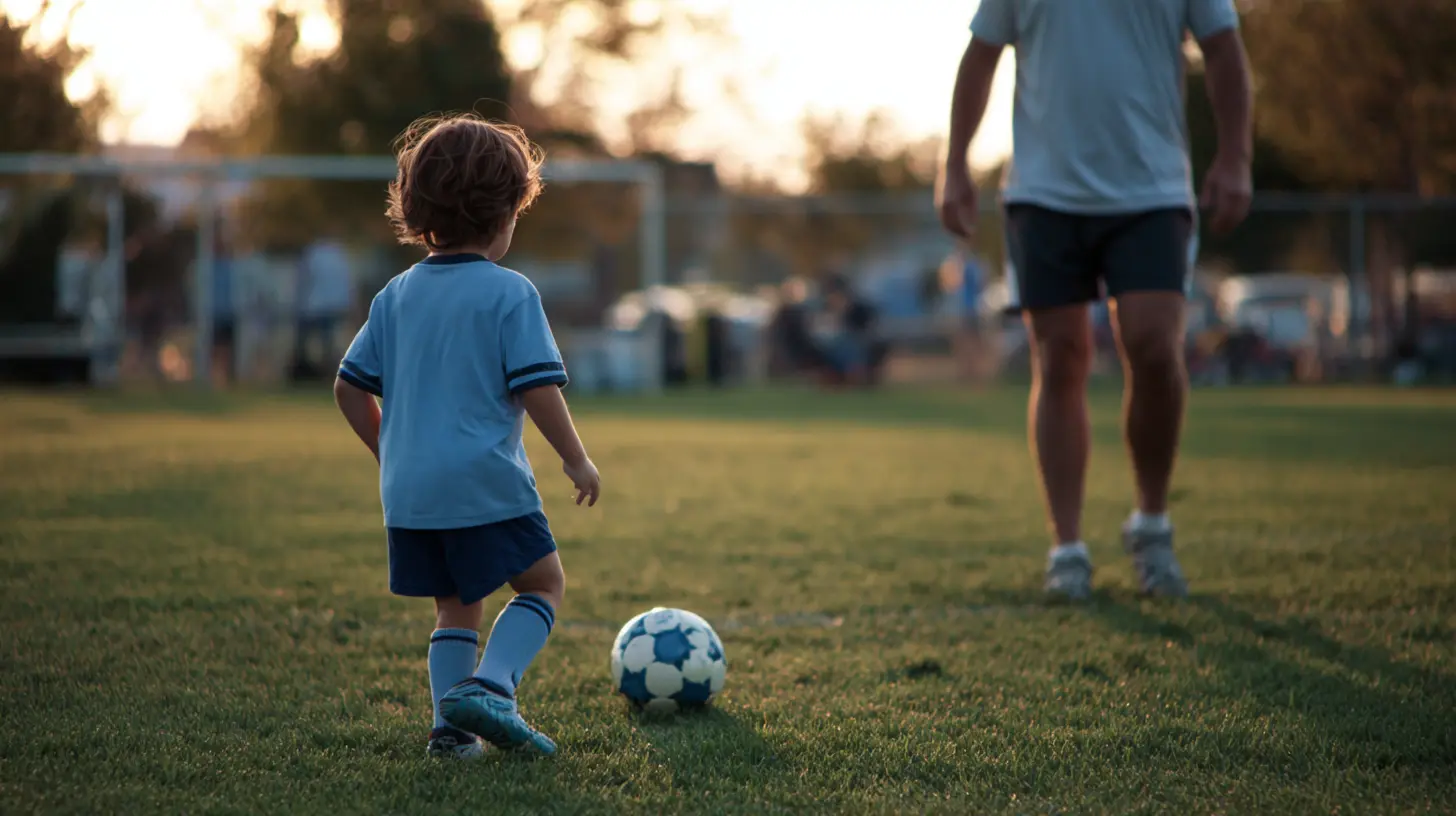
Lead by Example
Kids are like sponges—they absorb everything they see, whether you realize it or not. If you want your child to value practice and discipline, start by modeling those behaviors in your own life.Let’s say you’re trying to learn a new skill, like cooking or playing an instrument. Share your progress with your child. Show them the mistakes you make along the way and how you keep practicing to get better.
When they see you putting in the effort and staying disciplined, it reinforces the idea that growth comes from dedication. And trust me, your actions will speak louder than any lecture you give. 
Make Practice Fun and Engaging
Here’s the thing—practice can feel boring or repetitive, especially for kids. So, how do you keep your child motivated? By turning practice into play.For younger kids, incorporate games into their training sessions. For example, if they’re practicing soccer, set up a mini obstacle course or challenge them to beat their previous record for juggling the ball.
For older kids, focus on setting small, achievable goals. Celebrate their progress, whether it’s improving their free-throw percentage or shaving a few seconds off their swim time. These little wins can keep them excited about the process.
And don’t forget to mix it up. Variety keeps practice from feeling like a chore.
Teach Them the Value of a Routine
Discipline starts with structure. Help your child establish a routine that balances practice, schoolwork, and downtime. A consistent schedule creates a sense of responsibility without overwhelming them.For example, you might decide that after homework, it’s time for 30 minutes of practice. Make it non-negotiable but also manageable.
But here’s the kicker—be flexible when needed. Life happens, and sometimes they might need a break or a change in plans. The goal is to teach them consistency, not perfection.
Share Stories of Perseverance
Kids love stories, so why not use them as a tool to inspire perseverance? Share real-life examples of athletes who overcame challenges through practice and discipline.For instance, talk about Michael Jordan. He’s one of the greatest basketball players of all time, but did you know he was cut from his high school basketball team? Instead of giving up, he worked harder and eventually became a legend.
Stories like these show your child that obstacles are just stepping stones on the path to success. It’s not about avoiding failure—it’s about learning from it and pushing forward.
Encourage Self-Reflection
After a practice or a game, take a moment to chat with your child about their experience. Ask open-ended questions like:- "What went well today?"
- "What’s one thing you want to improve on next time?"
- "How did it feel to work on [specific skill]?"
This helps them become more self-aware and take ownership of their growth. Plus, it creates a safe space for them to express any frustrations or doubts they might have.
Support Without Pressure
Let’s be honest—it’s easy to get caught up in wanting your child to succeed, but there’s a fine line between encouragement and pressure.Instead of focusing solely on results (like winning a game), celebrate their effort. Praise them for showing up, for trying their best, and for sticking to their practice routine. This reinforces the idea that discipline and hard work matter more than the scoreboard.
Teach Them to Embrace Failure
Failure is a tough pill to swallow, but it’s also one of the best teachers out there. Talk to your child about how failure isn’t the opposite of success—it’s a part of the journey.For instance, if they’re struggling to master a skill, remind them that every pro athlete they admire was once in their shoes. They didn’t start out perfect; they failed, learned, and tried again.
Encourage them to see mistakes as opportunities to grow. It’s all about shifting their mindset from "I can’t do this" to "I can’t do this… yet."
Be Their Biggest Cheerleader
At the end of the day, your child needs to know that you’re in their corner, no matter what. Be their biggest cheerleader, whether they’re nailing a skill or struggling to stay disciplined.Offer encouragement, lend a listening ear, and remind them why they started. Your support can make all the difference in helping them stay committed to their goals.
Practice What You Preach
Finally, remember that teaching your child the value of practice and discipline in sports is a marathon, not a sprint. It takes patience, consistency, and, yes, a little bit of trial and error.But here’s the good news—you’re not just helping them become a better athlete. You’re giving them tools that will serve them for the rest of their lives. Whether they stick with sports or move on to other pursuits, the lessons of practice and discipline will always be in their back pocket.
So, lace up those sneakers, grab a ball, or hit the court together. Show them that practice isn’t just about repetition—it’s about growth, effort, and heart.
all images in this post were generated using AI tools
Category:
Kids And SportsAuthor:

Steven McLain
Discussion
rate this article
1 comments
Lola McKeever
Every moment spent practicing is a step toward growth. Encourage your child to embrace discipline-it's the key to unlocking their potential. Keep inspiring!
July 1, 2026 at 4:34 AM
Steven McLain
Absolutely! Encouraging practice and discipline truly shapes a child's growth in sports and beyond. Your support makes all the difference.