How to Recognize When Your Child’s Fears Are Affecting Their Daily Life
24 February 2026
Parenting is a rollercoaster ride, and sometimes, that ride takes you through tunnels of your child’s fears—dark, spooky, and seemingly never-ending. All kids experience fear. Whether it's the classic "monster under the bed" scenario or a deep-seated anxiety about the unknown, fear is a natural part of growing up.
But what happens when those fears start taking over their daily lives? When bedtime turns into a nightly battle, school becomes a no-go zone, or simple tasks—like ordering at a restaurant—feel like climbing Mount Everest? That’s when fear stops being just a phase and starts becoming a roadblock.
Not sure if your child’s fears are getting out of hand? Let’s dive into the signs, why they happen, and what you can do to help them break free. 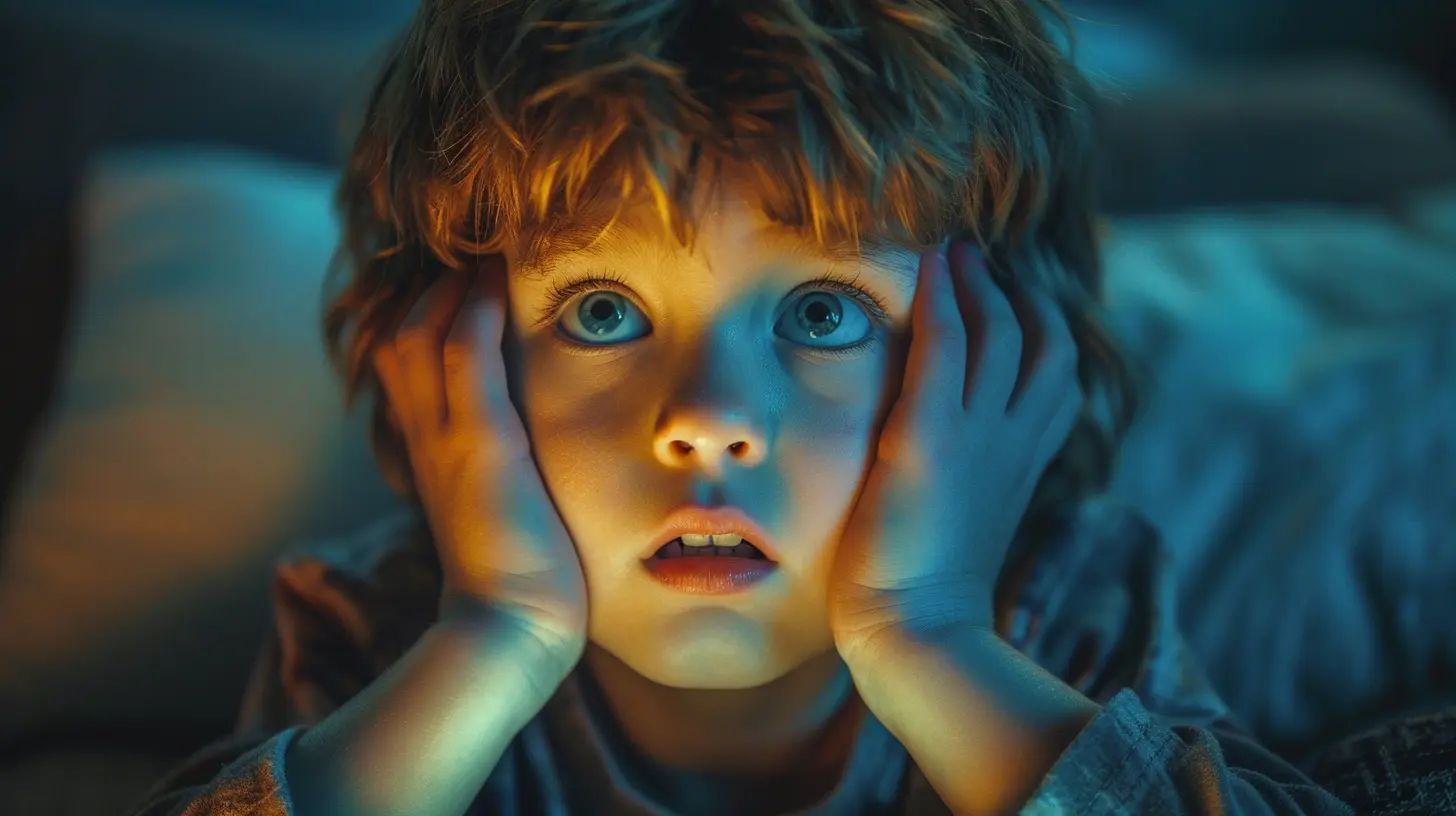
Understanding Childhood Fears: Normal vs. Concerning
First, let’s set the record straight—fear is normal. It’s part of human nature. Kids fear different things at different ages:- Babies & Toddlers: Loud noises, strangers, separation from parents
- Preschoolers: The dark, imaginary creatures, being alone
- School-age Kids: Real-world dangers (storms, burglars, getting lost)
- Tweens & Teens: Social rejection, academic failure, the future
But there’s a line between ordinary fear and something more concerning. When fear becomes persistent, interferes with their daily activities, or causes extreme distress, it’s time to pay attention. 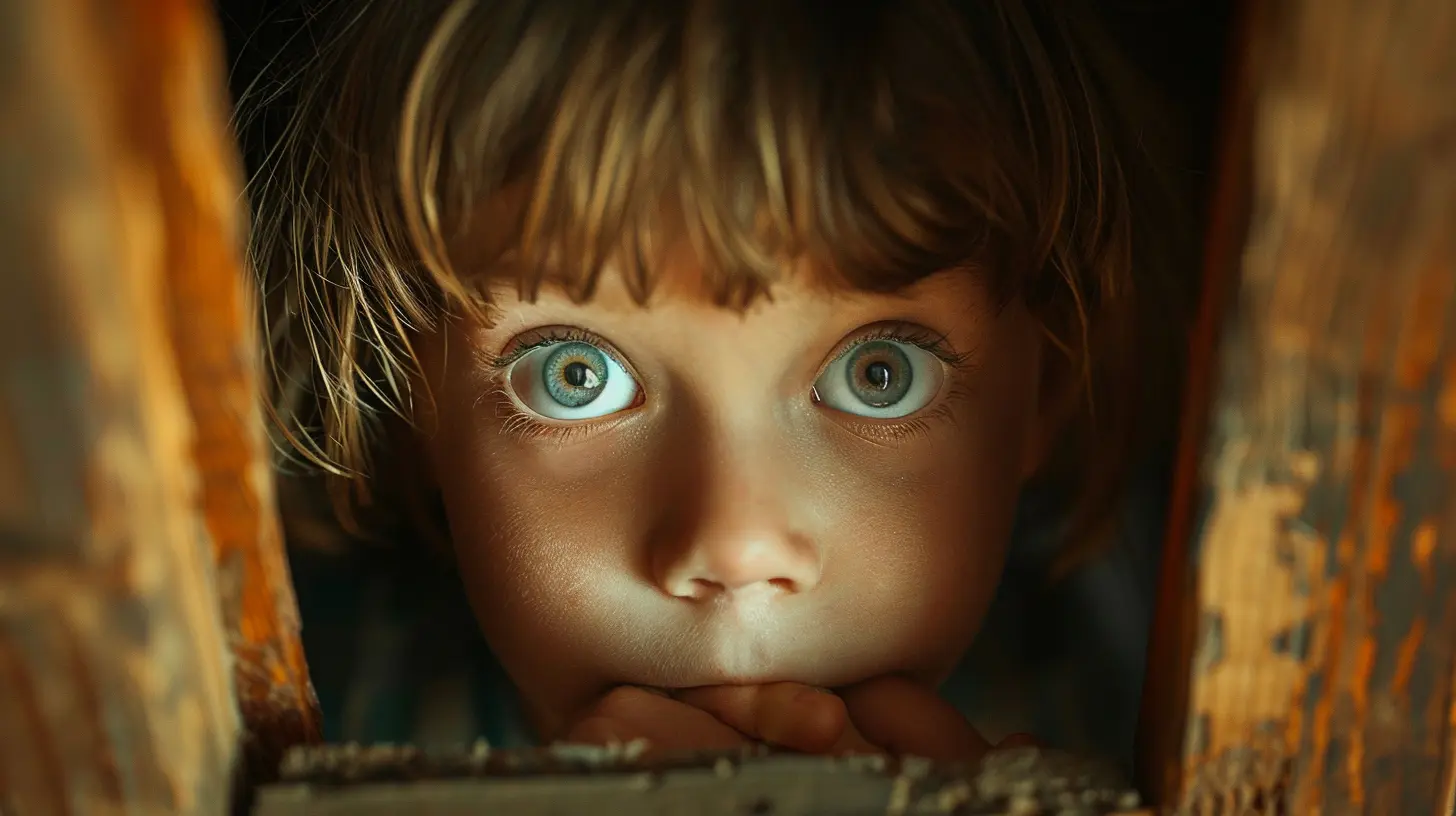
Signs That Your Child’s Fear is Affecting Their Daily Life
Not all fears wave a red flag saying, “Hey, I’m a problem!” Some show up in subtle ways while others scream for attention. Here’s what to look for:1. Avoidance Becomes Their Go-To Strategy
A little hesitation is one thing, but when your child starts dodging situations altogether, it's a sign fear is in control.🚀 Example: Does your child refuse to go to birthday parties because they’re afraid of loud noises? Do they fake a stomachache every time there’s a school presentation?
Chronic avoidance might feel like the easy way out in the moment, but it only strengthens the fear over time.
2. Physical Symptoms Appear Out of Nowhere
Ever noticed your child suddenly clutching their stomach before school? Or breaking into a sweat when it’s time to meet new people?Fear doesn’t just mess with the mind—it can rattle the body too. Common physical symptoms include:
- Stomachaches or headaches
- Racing heart
- Sweaty palms
- Dizziness
- Shaky hands
If these symptoms pop up repeatedly in fear-triggering situations, that’s a major clue.
3. Sleep Becomes a Nightmare (Literally & Figuratively)
Kids and sleep issues go together like peanut butter and jelly, but if your child is consistently struggling to fall asleep, waking up from frequent nightmares, or refusing to sleep alone because of fear, it’s something to investigate.Sleep deprivation can make their fears even worse, turning it into a vicious cycle of anxiety and exhaustion.
4. Difficulty Functioning in Normal Situations
A healthy level of fear is fine, but if your child can't do everyday tasks because of it, there's a problem.🛑 Warning Signs:
- Avoiding eye contact or talking in social situations
- Refusing to participate in class or group activities
- Meltdowns before certain events (like a doctor’s appointment)
If fear is disrupting school, friendships, or even simple errands, it's time to step in.
5. Constant Seeking of Reassurance
“Mom, are you sure there’s no fire at school?”“Dad, can you check under my bed one last time?”
If your kid is hitting you with the same questions over and over, they might be stuck in an anxiety loop. While reassurance helps momentarily, it doesn’t address the deeper issue—it reinforces the fear. 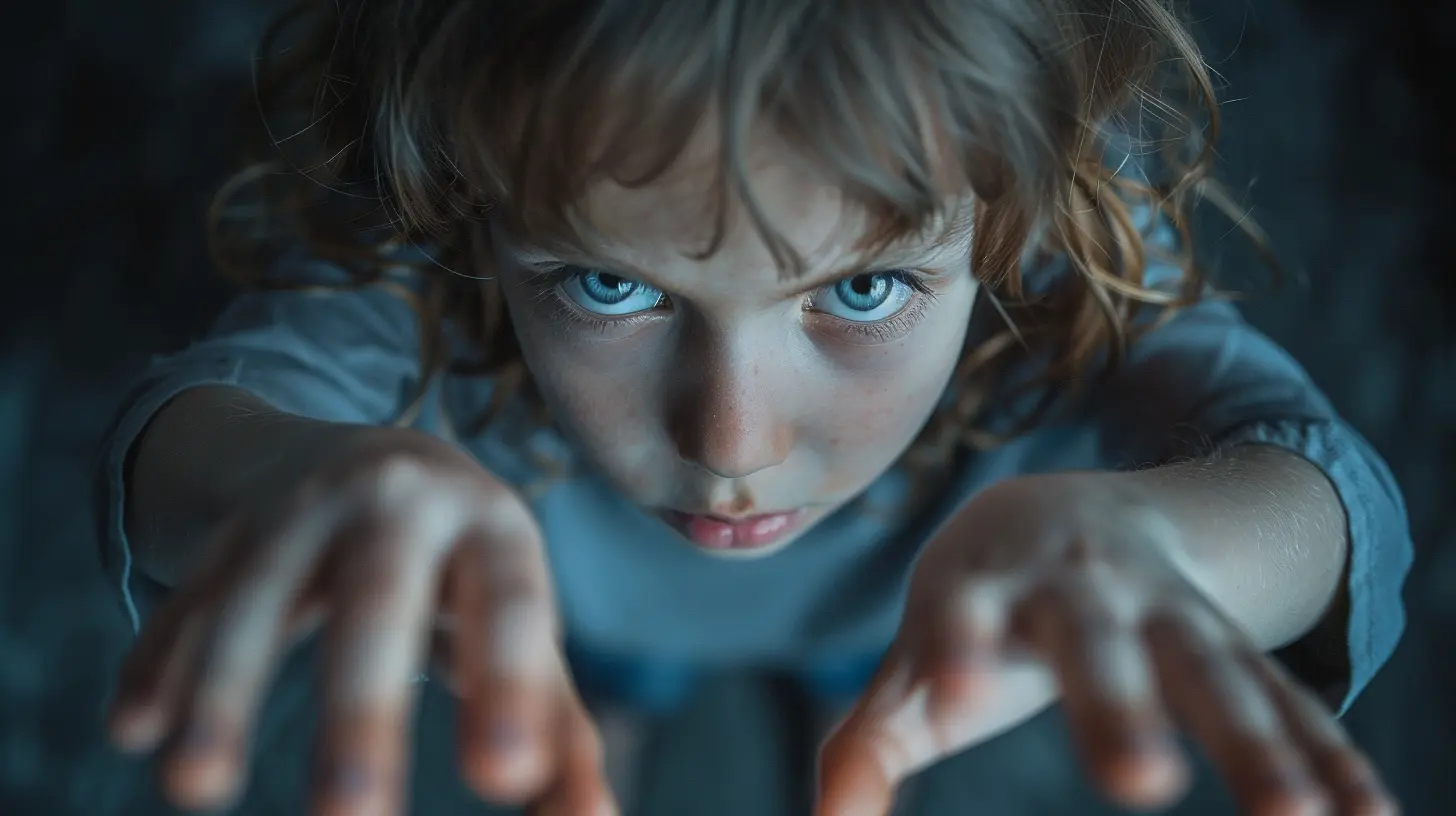
Why Are These Fears Taking Over?
Now, before you start thinking you raised a future hermit, let’s talk about why this happens. Sometimes, fears can become overwhelming due to:1. Genetics & Temperament
Some kids are just wired to be more anxious than others. If you or your partner were cautious, anxious kids, chances are your child might lean the same way.2. Past Experiences
A bad experience can leave a lasting imprint. A terrifying encounter with a barking dog could lead to an intense fear of all dogs.3. Overprotective Parenting (Yep, We Said It!)
We all want to shield our little ones from harm, but if kids never learn to face their fears, they don’t develop coping skills. Constantly swooping in can make fears worse.4. Stress & Pressure
Big life changes—moving, divorce, bullying, academic pressure—can magnify existing fears or create new ones.
How To Help Your Child Conquer Their Fears
So, what can you do? Short of waving a magic wand and making fear disappear (oh, how we wish!), there are some tried-and-true strategies you can use.1. Validate Their Feelings (But Don’t Fuel The Fear!)
Saying, “Oh, that’s silly, there’s nothing to be scared of,” doesn't work. Instead, acknowledge their feelings:✅ Say This: "I see that you're really scared. That must feel overwhelming."
❌ Not This: "Oh, stop being dramatic, it’s not a big deal."
Acknowledgment makes them feel heard, not dismissed.
2. Teach Them Calm-Down Techniques
Fear kicks the body into fight-or-flight mode. Help your child regain control with these tricks:✔ Deep Breathing: “Smell the flowers, blow out the candles” (inhale through the nose, exhale through the mouth)
✔ Grounding Exercises: "Look around and name five things you see, four things you feel, three things you hear..."
✔ Positive Affirmations: "I am brave, I can handle this!"
3. Baby Steps Towards Bravery
Exposure therapy works wonders. If your child fears dogs, start by looking at dog pictures, then watching dogs from a distance, and slowly moving closer over time.✔ Challenge, not pressure: Encourage, but don’t force.
✔ Celebrate the wins: Even small progress deserves a high-five!
4. Limit Reassurance (Even Though It’s Hard)
Answer their question once, not 20 times. Instead, help them find their own coping strategies:✅ Instead of: “Yes, I promise the house won’t catch fire.”
🔥 Try this: “What would you do if something scary happened? Let’s make a plan together.”
This builds confidence instead of dependency.
5. Lead By Example
Kids mirror us. If they see you handling fear calmly, they’ll learn to do the same. Show them that fear is a normal part of life—but it doesn’t have to control us.When To Seek Professional Help
Sometimes, despite all our efforts, fear digs in its heels. If your child’s fear is:- Severely impacting their daily life
- Causing panic attacks
- Leading to extreme distress
- Lasting for months with no improvement
It might be time to seek extra support from a child therapist. There’s no shame in getting professional guidance to help your little one feel safe and confident.
Final Thoughts: Fear Doesn’t Have To Win
Fear is a tricky little beast, but it doesn’t have to rule your child’s life. By recognizing the signs and taking proactive steps, you can help them manage anxiety and find their inner bravery.Parenting is about guiding, supporting, and sometimes, letting go just enough for them to step into their own courage. Before you know it, the kid who was terrified of the dark will be the one turning off your lights at night.
Until then—deep breaths, patience, and maybe an extra cup of coffee for yourself!
all images in this post were generated using AI tools
Category:
Dealing With FearsAuthor:

Steven McLain
Discussion
rate this article
2 comments
Ruby Marks
This article offers valuable insights into identifying when a child’s fears escalate beyond typical anxiety. It's crucial to approach these situations with empathy, encouraging open communication. Consider keeping a fear journal to track triggers and progress. Remember, seeking professional guidance can also provide essential support for both you and your child.
February 28, 2026 at 5:15 AM
Steven McLain
Thank you for highlighting these important points! Empathy, communication, and tracking fears can truly make a difference in supporting our children. Your suggestions on seeking professional help are also invaluable.
Xander McAuley
Great tips! Recognizing fears is crucial for healthy development.
February 26, 2026 at 3:41 AM
Steven McLain
Thank you! I'm glad you found the tips helpful. Recognizing fears is indeed vital for supporting healthy development in children.