How to Help Your Child Handle Competitive Pressure in Sports
28 December 2025
Let’s be real—sports can be awesome for kids. They're all about having fun, staying active, building friendships, and learning teamwork. But, let's not sugarcoat it—competitive pressure can sneak in and throw a wrench in the fun. Suddenly, it’s not just about kicking the ball or scoring a point; it's about winning at all costs. That’s where we step in as parents.
If you're here, you probably want to support your child’s love for sports without the stress turning them into a little ball of anxiety. Trust me, you’re not alone. So, grab a cup of coffee and let’s chat about how you can help your child handle competitive pressure in sports—without losing their joy or spark.
Why Is Sport So Important for Kids?
Before we dive into the pressure part, let's take a moment to celebrate why sports rock for children.- Physical fitness: Obvious, but worth saying. Running around does wonders for their health.
- Social skills: Team sports = learning cooperation, communication, and dealing with wins and losses.
- Confidence and self-esteem: Achievements on the field often spill over into other areas of life.
- Resilience: Losing a match and bouncing back? That’s growth.
But while sports can build kids up, competitive pressure can knock them down if not managed properly.
What Does Competitive Pressure Look Like?
Competitive pressure can creep in quietly. One day your child loves soccer, and the next they’re dreading practice. Here are a few signs pressure might be weighing on them:- They’re overly anxious before games
- They focus only on winning, not playing
- They blame themselves harshly for small mistakes
- They compare themselves constantly with teammates
- They want to quit a sport they once loved
Sound familiar? Don't stress. You’ve got the power to help shift the vibe from pressure to passion.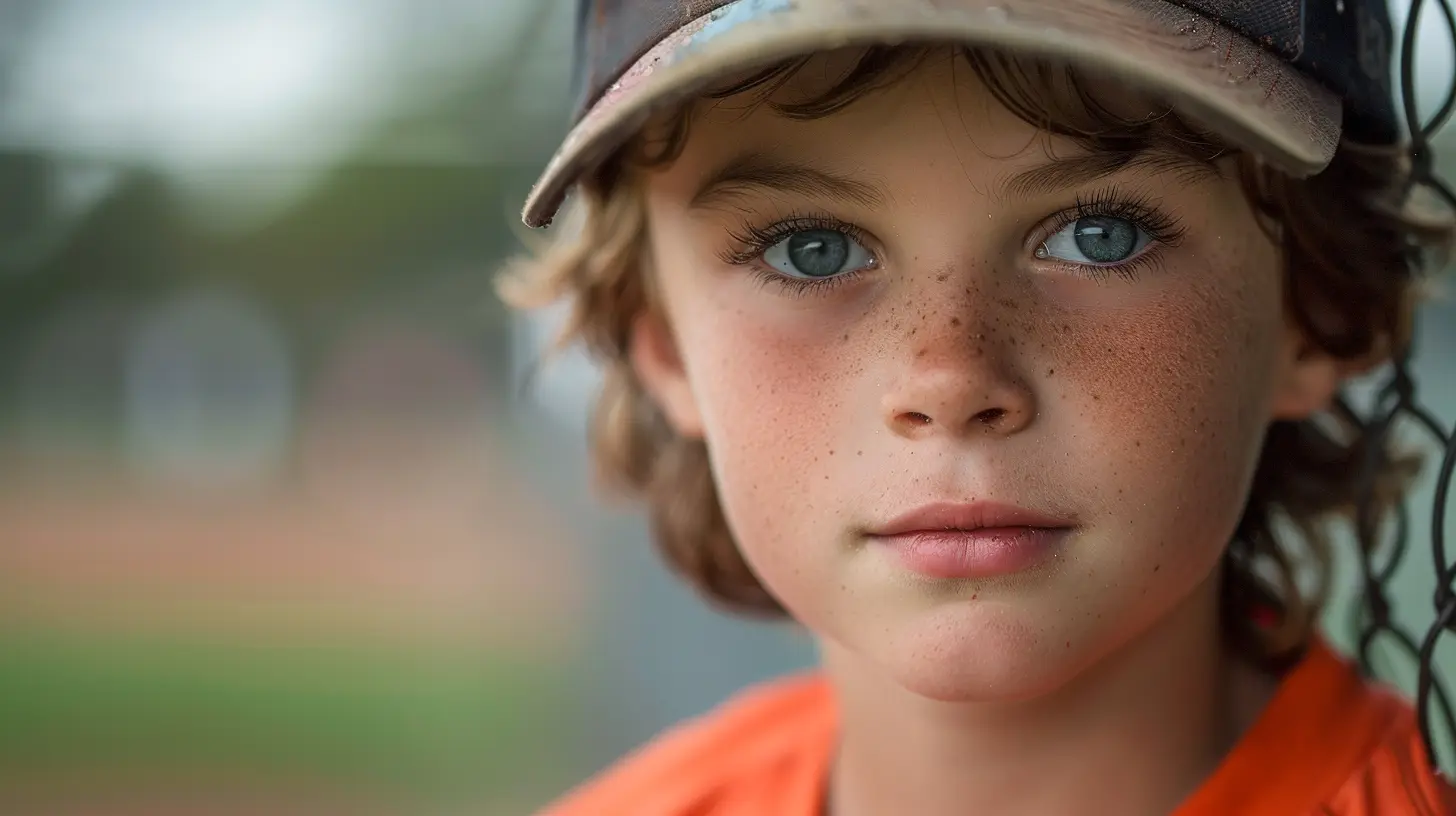
1. Focus on Effort, Not Just Results
Repeat this phrase like a gentle mantra: “It’s not about the win, it’s about the effort.”Kids thrive on recognition. If all the praise is tied only to scoring goals or winning medals, of course, they’ll feel the heat. Instead, cheer for hard work, improvement, and determination.
Say things like:
- “I loved how you hustled out there!”
- “You kept trying even when it was tough—so proud of you!”
- “Win or lose, you played with heart.”
This helps your child understand that personal growth is the real MVP.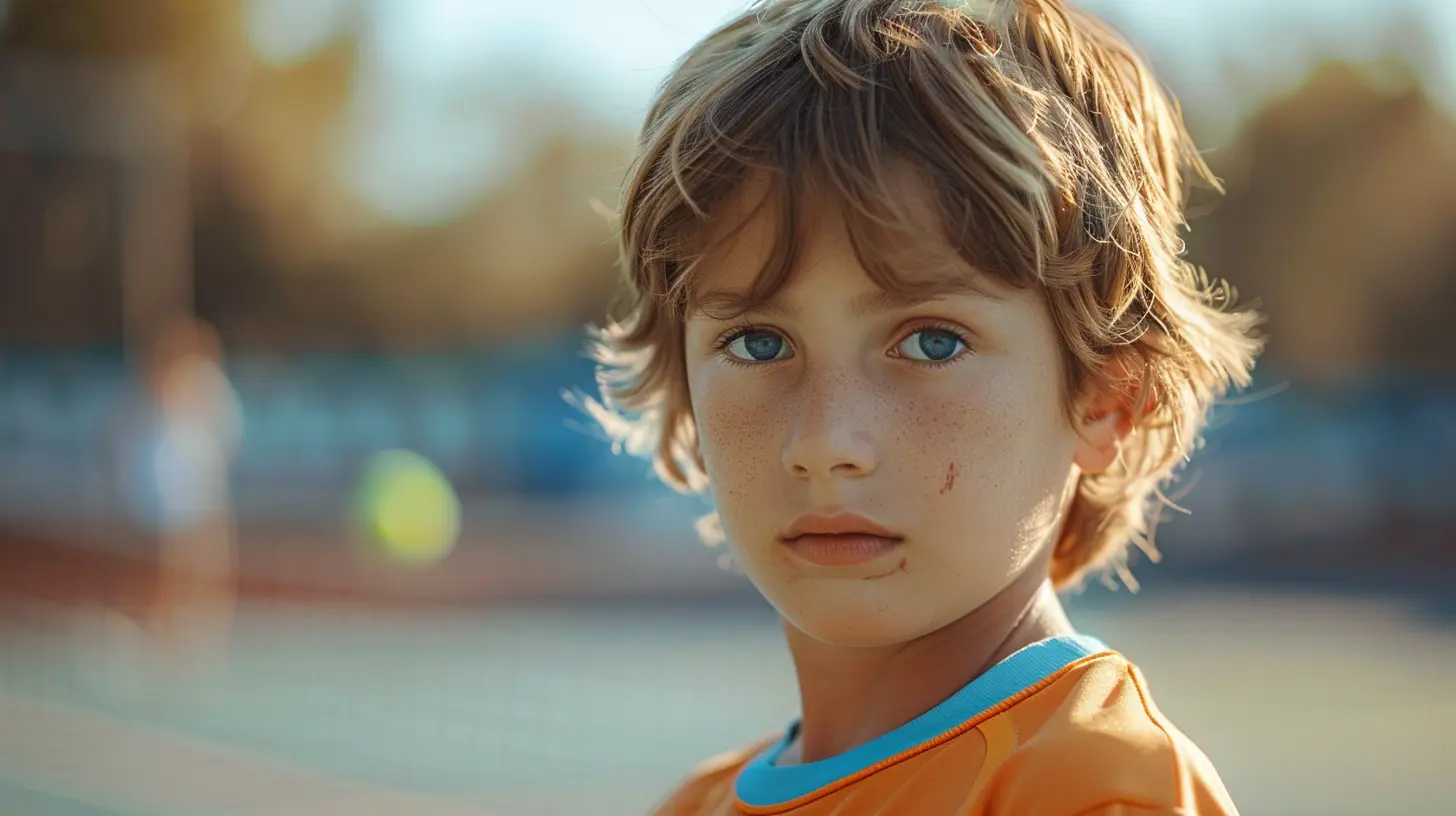
2. Lead by Example (Yep, That Means You!)
Kids are like little mirrors. If we’re pacing the sidelines, yelling instructions, or getting too emotionally invested… they feel it. A calm, positive attitude from you does wonders.You can model good sportsmanship and stress-free fun by:
- Cheering for all players, not just your child
- Keeping criticism out of post-game talks
- Talking about what was fun, not just what went wrong
Be the teammate they didn’t know they needed.
3. Use Praise That Builds Resilience
Let’s talk about a little secret weapon called “process praise.” This is when you praise the process (effort, strategy, dedication) instead of fixed traits like talent or ability.Instead of, “You’re such a natural,” try:
- “I noticed how you practiced that shot over and over.”
- “Your focus really paid off today!”
- “You worked hard, and it showed.”
Why does this work? Kids start to believe that effort brings success—not just some magical “talent” they might or might not have.
4. Encourage Open Conversations
Ever tried to talk to your child after a tough game and got a one-word answer? “Fine.” “Okay.” “Whatever.” Yeah, us too.Here’s the hack: ask open-ended, non-judgmental questions that actually invite a response.
Try asking:
- “What part of the game felt the best to you?”
- “Was anything tough out there today?”
- “Is there something you want to get better at this week?”
Let them vent. Let them be honest. And most importantly, listen without jumping in to fix things right away.
5. Manage Expectations—Theirs and Yours
Let’s face it, sometimes we want our kids to shine because we see their potential. That’s great… until it turns into pressure.If your child hears:
- “You should’ve scored more.”
- “You’re the best, don’t let the team down.”
- “You’re better than them, right?”
…they start measuring their worth by performance.
Instead, help set realistic and flexible goals. “This week, let’s aim to stay positive on the field no matter what.”
Simple. Achievable. Pressure-free.
6. Normalize Setbacks (Because They’re Normal!)
Every athlete faces defeat. Even the pros mess up. Setbacks are part of the game—and part of life.Use these moments as golden opportunities:
- Talk about famous athletes who overcame failure
- Share your own childhood stories of “epic fails”
- Remind them that falling down is a step toward standing tall
Mistakes aren’t the enemy. They’re the coach in disguise.
7. Balance Is the Key—Not Just in Yoga
If your child is on the field five days a week and stressed out, something’s off balance.Make sure they have time for:
- Playing just for fun
- Non-sports hobbies
- Chill time with friends
- Just being a silly, carefree kid
Their identity should be bigger than their jersey number. Encourage them to be more than “the soccer player” or “the swimmer.” Let them explore all sides of who they are.
8. Help Them Define Their Own “Success”
This one’s powerful. Ask your child what success means to THEM—not their coach, not their teammates, and definitely not the scoreboard.Maybe it’s:
- Making new friends
- Trying a new move they learned
- Staying calm under pressure
- Having fun
When your child owns their definition of success, they take control. And that’s a game-changer.
9. Support Mental Skills as Much as Physical Ones
Training the body is only half the game. Helping your child grow mental muscles is just as important.You can do this by teaching:
- Positive self-talk: “I’ve got this,” works wonders.
- Visualization: Have them picture that perfect pass or finish.
- Breathing techniques: A deep breath can reset the mind.
If pressure becomes too much, consider involving a youth sports psychologist or a counselor—no shame, just support.
10. Celebrate the Journey, Not Just the Trophy
Trophies collect dust, but the memories, friendships, and lessons last forever. Celebrate every milestone—not just the championship game.Some fun ways to celebrate:
- Ice cream after a game—win or lose
- A “highlight reel” family chat where everyone shares their favorite moment
- Photos, scrapbooks, or a journal to track progress and funny stories
Because these are the golden years. Let’s make sure our kids look back and say, “That was fun,” not “That was stressful.”
Final Pep Talk for Parents 😉
You’re doing great. This parenting gig doesn’t come with a manual, and dealing with competitive sports adds a whole extra layer of complexity. But your presence, support, and love are more powerful than any pep talk from a coach.Remember: your child’s self-worth should never be tied to a scoreboard. Let’s raise strong, happy, balanced kids who play with passion, and not fear.
So the next time your kid steps onto the field, court, or mat, give them a smile that says, “I’m proud of you, no matter what.”
Because that, dear parent, is how we win.
all images in this post were generated using AI tools
Category:
Kids And SportsAuthor:

Steven McLain
Discussion
rate this article
2 comments
Arwen McAlister
This article offers valuable insights on nurturing resilience in young athletes. By fostering a supportive environment and emphasizing enjoyment over winning, parents can help their children thrive under competitive pressure. Great read!
January 24, 2026 at 4:01 AM
Steven McLain
Thank you for your thoughtful feedback! I'm glad you found the insights helpful for supporting young athletes.
Buzz Warner
Competitive pressure? Please! Teach them that sports are just as much about fun and friendship as winning. Encourage them to shine like a star, not just for the trophy! Let joy be their true goal!
December 29, 2025 at 5:29 AM
Steven McLain
Absolutely! Balancing competition with joy and friendship is essential for nurturing a positive sports experience. Let's prioritize fun and personal growth alongside winning!