How to Comfort a Toddler Struggling With Fear of Toileting
25 March 2026
Let’s face it—potty training can be an emotional rollercoaster. One moment your toddler is excited to flush the toilet, and the next, they’re clinging to your leg, terrified of sitting on it. If your little one is struggling with a fear of toileting, you’re not alone. This fear is super common and (here’s the good news) very fixable.
Dealing with this kind of fear can feel heart-wrenching. You want to do the right thing, encourage them, and help them grow—but how, when even the mention of the potty brings tears?
Let’s break it down together, piece by piece. This guide will explore what your toddler’s fear is all about and give you real, practical, loving ways to ease their worries. It’s all about patience, empathy, and a dash of creativity.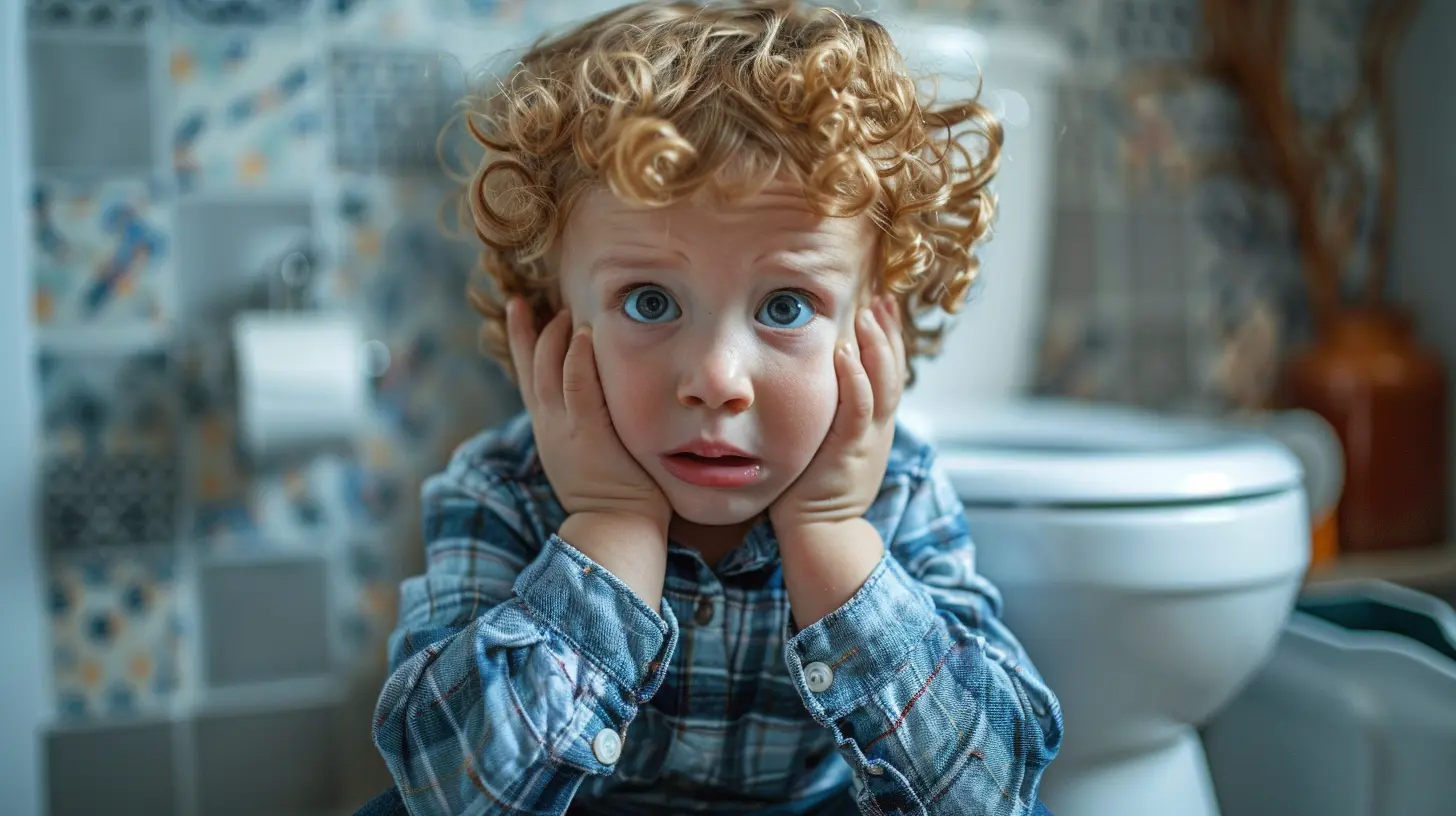
Understanding the Fear: What’s Really Going On?
Before jumping into solutions, we need to understand the root of the fear. Toddlers are incredibly sensitive. They’re figuring out the world, and the toilet can feel big, loud, and strange (because, well, it is!).Why Are Toddlers Afraid of the Toilet?
- It’s unfamiliar: Toilets make loud flushing noises. The seat feels high. Sometimes the water splashes. To a toddler, that’s a lot of weird.- Loss of control: Going to the bathroom means letting go—literally. That feeling can feel scary. Where does the poop go? Will it hurt?
- Past experience: A bad experience, like falling in or getting constipated, can stick with them.
- Pressure: If they feel pushed or rushed, resistance kicks in.
Imagine standing on a cliff, being told to jump into a pool far below. You're nervous, unsure, and really just want to stay where it’s safe. That’s what the potty experience can feel like for your child.
Step-by-Step: How to Comfort a Toddler Struggling With Fear of Toileting
1. Start With Empathy – Always
Let’s begin here. Your toddler’s fear is real to them. Brushing it off or saying, “You’re fine,” might shut down their emotions. Instead, use soft reassurance.Say things like:
- “It’s okay to feel scared. Lots of kids feel like this.”
- “I’m here with you.”
- “You don’t have to go if you’re not ready.”
This tells them it's safe to feel and express fear. Emotional safety is the first win.
2. Make the Potty Feel Friendly
Turn the toilet into a positive, non-threatening space. Decorate the bathroom with fun stickers or soft lighting. Keep it warm and welcoming. Bring in their favorite stuffed animal or a potty-time book.You could even “introduce” the potty in a silly way:
> “This is Mr. Potty. He’s really gentle and loves helping big kids. Want to say hi?”
Sounds silly? That’s great. Toddlers learn through play and imagination.
3. Gradual Exposure – Baby Steps are Big Wins
Don’t rush it. Help your child build confidence little by little.Here’s a step-by-step way to work up to using the toilet:
- Step 1: Sit on the potty fully clothed.
- Step 2: Sit without undies for just a few seconds.
- Step 3: Sit after a meal when they’re more likely to go.
- Step 4: Flush together and say goodbye to the waste.
Celebrate each step like it’s a huge achievement—because it is!
4. Validate Their Feelings with Stories
Books are powerful for toddlers. They help kids see other children managing the same fears. Read stories about potty time that include emotions and gentle encouragement.Consider making up your own mini story with your child in it. Make them the hero who makes friends with the magical potty!
> “Once upon a time, there was a brave kid named Jamie who found a potty with sparkles on it…”
When they see themselves in the story, they begin to imagine success.
5. Avoid Pressure and Power Struggles
This might be the hardest and most important part—don't force it. If you turn it into a battle, your child will fight back harder.Instead of saying, “You HAVE to use the potty,” try:
- “Let’s just sit for a minute, no going necessary.”
- “Want to try and then read your favorite book?”
Connect toilet time with something positive, not stressful.
6. Give Them Some Control
Toddlers are big fans of independence. Let them control small choices:- Decide which potty seat to use.
- Choose a sticker for a chart.
- Pick a potty book to read.
When kids feel like they have a say, the fear can shrink. They’re no longer being “made” to go—they’re choosing to go.
7. Calm the Noise and Soothe the Senses
The flush is often one of the biggest triggers. That echoing whoosh? Terrifying. Give them the option to flush or not. Some kids like flushing; others prefer you're the one doing it.You can also keep noise levels low and bathroom light soft to avoid overstimulation.
A calming playlist or white noise machine nearby can help, too. Think spa vibes instead of scary echoes.
When Regression Strikes—Handle It With Grace
Just when you think you’re making progress, your little one might suddenly refuse the potty again. That’s okay. Potty training regression is common during illness, travel, or emotional changes like the arrival of a sibling.Don’t panic.
Go back to the basics: empathy, small steps, and encouragement.
Regression doesn’t mean failure—it means your child needs a little extra support before moving forward again.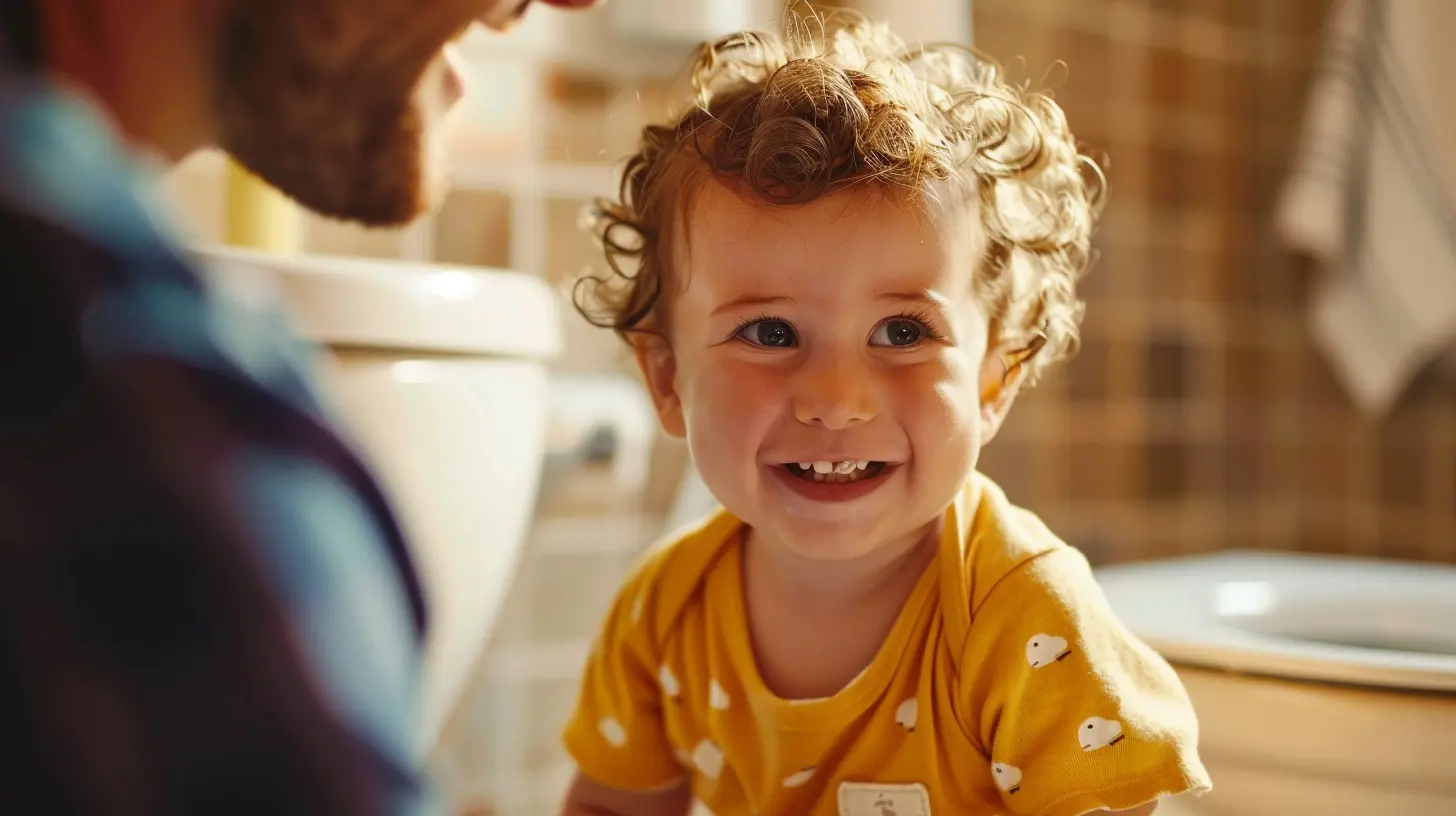
Tips to Encourage a Relaxed Potty Experience
Bringing ease and even joy into potty time can be a game-changer. Here are some bonus ideas:- Sing a Potty Song: Make up your own silly tune.
- Sticker Chart: Every successful sit earns a sticker.
- Potty Time Routine: Like brushing teeth, make it a daily rhythm.
- Use a Timer: Let the timer (not you!) signal potty time.
- Special Potty Toys: Only use them during toilet time.
What Not to Do: 5 Common Pitfalls to Avoid
1. Don’t shame or scold. It damages trust and adds to fear.2. Don’t compare. Every child moves at their own pace.
3. Don’t fake enthusiasm. Be genuine—and if you're frustrated, take a breath.
4. Don’t make it all about rewards. Celebrate effort, not just results.
5. Don’t forget to model. Let them see you or an older sibling go—it helps normalize it.
When to Get Extra Help
Sometimes, the fear goes beyond what’s manageable at home. If your child:- Has extreme panic (screaming, shaking)
- Holds it in for days
- Develops constipation regularly
- Seems to regress in multiple areas
…it might be time to consult your pediatrician or a child therapist. There’s no shame in asking for help. It just means you're listening to your child’s needs.
Final Thoughts: You and Your Toddler Are a Team
Comforting a toddler who's scared of toileting takes patience, gentleness, and a ton of love. Try to remember—this phase will pass.You're not failing. You’re guiding your little human through something that feels big and scary to them. And you’re doing it with compassion, presence, and strength.
Potty fears are just another part of the journey—like getting out of diapers or learning to sleep without you by their side. One day you’ll wake up and realize… the fear is gone.
And you were there. Every step of the way.
So take a deep breath, give yourself (and your toddler) a little grace, and keep showing up. That’s how breakthroughs happen.
You’ve got this.
all images in this post were generated using AI tools
Category:
Dealing With FearsAuthor:

Steven McLain
Discussion
rate this article
2 comments
Henrietta Patel
You're not alone; gentle support makes a difference.
April 1, 2026 at 2:26 AM
Steven McLain
Thank you for your kind words. Support really does matter during tough times.
Sawyer McCloud
Patience and encouragement go a long way!
March 27, 2026 at 6:02 AM
Steven McLain
Absolutely! Patience and encouragement are key in helping toddlers feel safe and supported during this transition.