How to Advocate for More Play Time in Schools
16 November 2026
In today's educational climate, the emphasis on academic achievement often overshadows the fundamental role that playtime holds in child development. As parents, educators, and advocates, it is crucial to push for more opportunities for play in schools. This article unravels the mystery of how to successfully advocate for this essential aspect of childhood, backed by research, case studies, and practical strategies.

Understanding the Importance of Play
The Role of Play in Development
Play is not merely an enjoyable pastime; it is a vital component of a child's growth. According to the American Academy of Pediatrics, play contributes significantly to cognitive, social, and emotional development. Through play, children learn problem-solving skills, social interaction, and emotional regulation. For instance, a simple game of tag can teach children about teamwork and boundaries while boosting physical health.Misconceptions Surrounding Play
One common misconception is that playtime is just "free time." In reality, unstructured play allows children to engage in imaginative scenarios, fostering creativity and independent thinking. Some educators and parents mistakenly believe that more playtime detracts from academic learning. However, research indicates that play enhances learning by improving focus and retention. Studies suggest that children who engage in regular play are often more successful in academic settings.
The Landscape of Play in Schools
Current Trends in School Playtime
In many schools, recess is being reduced or eliminated in favor of more instructional time. The National Association for the Education of Young Children has raised concerns about this trend, emphasizing the need for a balanced approach. Schools often justify this reduction by citing the need for standardized test preparation. However, this shortsighted approach overlooks the long-term benefits of play.Case Studies of Successful Play Advocacy
Several schools have successfully integrated more play into their curricula, demonstrating tangible benefits. For example, a school in New Zealand implemented a "Play-Based Learning" approach, resulting in increased student engagement and improved academic performance. Parents and educators collaborated to create a curriculum that values play, leading to better outcomes in both social skills and academic achievement.
Strategies for Advocacy
Building a Coalition
One of the first steps in advocating for more playtime is to build a coalition. Connect with like-minded parents, educators, and community members who share your passion for promoting play. Organize meetings to discuss the benefits of increased playtime, and create a shared vision for what you want to achieve. A united front carries more weight in discussions with school officials.Research and Data Gathering
Collecting data and research supporting the importance of play can bolster your advocacy. Use studies from credible sources to illustrate the cognitive and emotional benefits of play. Highlight successful case studies from other schools that have increased playtime and observed positive results. Presenting this information to school boards or parent-teacher associations can strengthen your case.Engaging with School Administration
Approaching school administration requires a thoughtful strategy. Schedule meetings with principals or school boards to discuss your concerns and provide the research you have gathered. Frame your arguments around the benefits to the students and the school as a whole. Highlight how increased playtime can lead to improved focus, better behavior, and enhanced academic performance.Proposing Practical Solutions
While advocating for more playtime, it is essential to propose practical solutions. Suggest specific changes, such as extending recess by a few minutes or incorporating short play breaks during classroom time. Offering detailed plans shows that you are not just highlighting a problem but are also invested in finding solutions.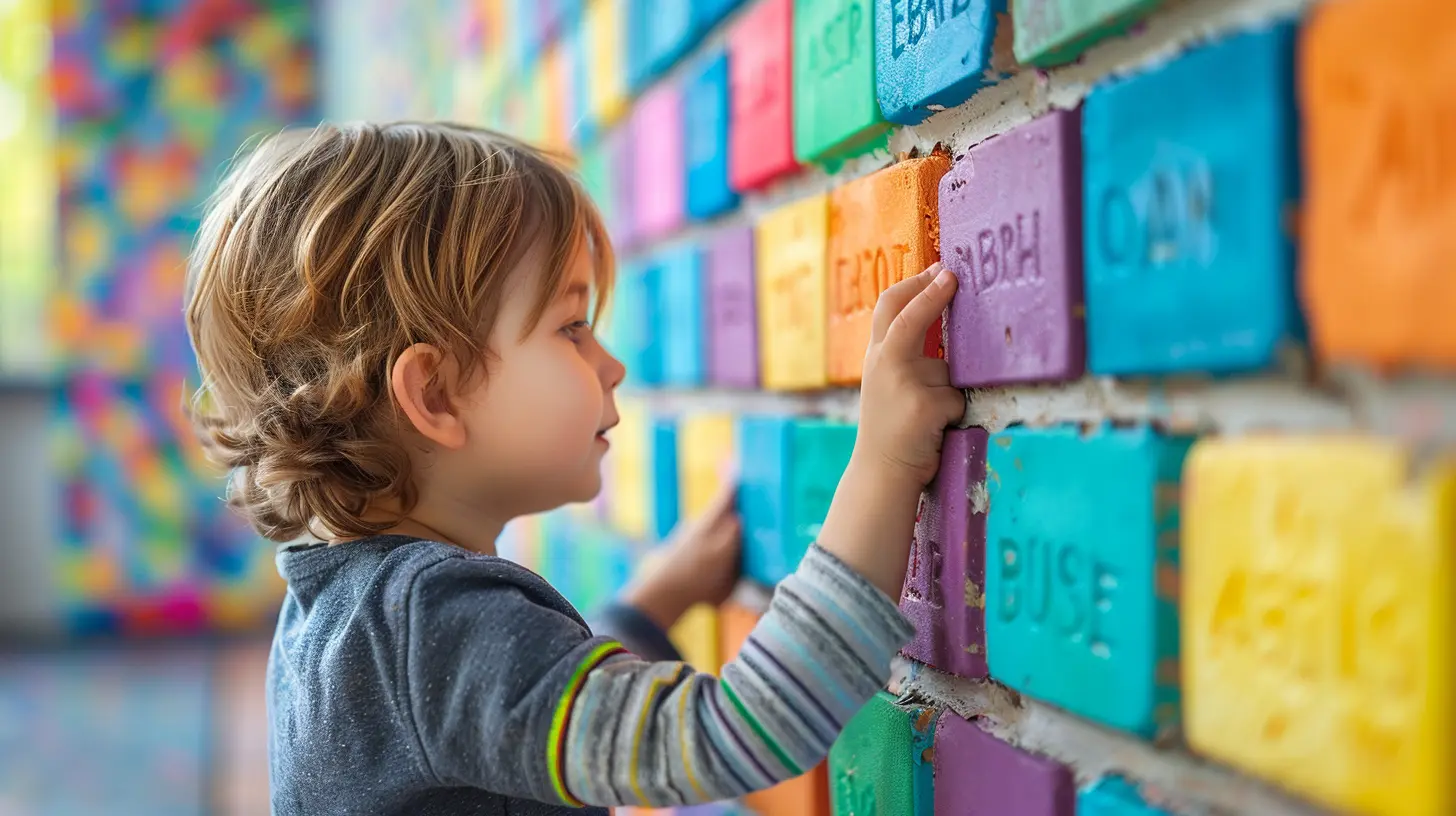
Overcoming Common Challenges
Addressing Concerns from Educators
Some educators may resist the idea of increasing playtime, fearing it could disrupt the academic schedule. It is crucial to address their concerns directly. Emphasize that play can be structured to align with educational goals. For instance, integrating educational games into playtime can serve dual purposes-learning and fun.Navigating School Policies
Every school has its policies, which can sometimes be rigid. Familiarize yourself with the school's guidelines regarding recess and playtime. Understanding these policies will help you identify areas where change is possible. Work within the existing framework to propose adjustments rather than pushing for wholesale changes that may be met with resistance.Engaging the Wider Community
Involving the broader community can amplify your advocacy efforts. Organize events or forums to raise awareness about the importance of play. Collaborate with local organizations, such as pediatricians or child psychologists, who can speak to the developmental needs of children. The more voices you have supporting your cause, the stronger your advocacy will be.Real-World Applications of Play Advocacy
Implementing a Play-Based Curriculum
Many schools are now adopting play-based curricula, which blend play with structured learning. For example, kindergartens that focus on learning through play have reported higher levels of student engagement and better social skills. This approach allows children to explore subjects in a dynamic way, making learning more relevant and enjoyable.Flexible Scheduling for Play
Advocating for flexible scheduling can help integrate more playtime into the school day. Schools can implement policies that allow for more breaks and unstructured time. For instance, instead of a single long recess, consider shorter, more frequent breaks throughout the day. This keeps energy levels high and allows children to refocus on learning.Community Play Initiatives
Consider initiating community play events outside of school hours. Organizing neighborhood play days can bring families together while emphasizing the importance of play. These events can serve as a platform for discussing play advocacy and building broader support for changes in school policies.
Evaluating the Impact of Play
Tracking Progress and Success
Once you have successfully advocated for more playtime, it is essential to evaluate the impact of these changes. Work with educators to track student engagement and performance before and after implementing increased play. Collect feedback from students and parents to gauge their perceptions of the changes.Adjusting Strategies as Necessary
Advocacy is an ongoing process. Be prepared to adjust your strategies based on feedback and outcomes. If certain initiatives are not yielding the desired results, don't hesitate to pivot and explore new approaches.Conclusion
Advocating for more playtime in schools is a noble and impactful endeavor. By understanding the importance of play, building coalitions, gathering research, and engaging with schools, parents can create a more balanced educational environment that prioritizes the holistic development of children.Implementing these strategies takes time, persistence, and collaboration, but the benefits-enhanced creativity, improved social skills, and better academic performance-are well worth the effort. As advocates, parents hold the key to ensuring that play remains a fundamental part of childhood education.
all images in this post were generated using AI tools
Category:
Play Based LearningAuthor:

Steven McLain
Discussion
rate this article
1 comments
Zephyra Underwood
Great tips! Play is essential for kids' growth. Schools need to prioritize it.
November 16, 2026 at 5:14 AM