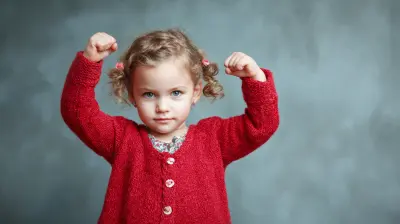
How Sports Can Shape Leadership Skills in Children
1 March 2026
Let’s be real — as parents, we all want our kids to grow into confident, responsible, and capable adults. But in a world filled with screens, tight schedules, and endless distractions, it can feel overwhelming to figure out the best way to support their growth. One surprisingly powerful tool that often flies under the radar?
Youth sports.
Yep, I’m talking about soccer on Saturday mornings, swimming after school, or even the chaotic bliss of a neighborhood basketball game.
You might be thinking, “Sports are great for fitness and fun, but leadership skills?” Absolutely. In fact, sports can be one of the richest environments for kids to develop the qualities of strong, kind, and influential leaders.
Let’s dive into how sports can be a game-changer (pun totally intended) when it comes to shaping leadership skills in our little ones.
Why Leadership Matters — Even for Kids
Before we jump into the sports side of things, let’s talk about leadership for a sec.Leadership doesn’t just mean being the loudest one in the room or the kid who always raises their hand in class. True leadership is about inspiring others, making thoughtful decisions, being accountable, and showing empathy and confidence. And these are traits that benefit kids at every stage—in school, on the playground, and eventually in their careers and relationships.
So where do they start learning these traits? Spoiler alert: it’s not just in the classroom. It’s often on the court, field, track, or poolside.
The Natural Connection Between Sports and Leadership
Now, sports aren’t just about chasing balls or winning trophies. They’re microcosms of life. Every practice, every game, every team huddle is a mini life lesson waiting to happen. Here’s how playing sports naturally teaches kids to become leaders:1. Teamwork Teaches Responsibility and Communication
In almost every sport, individual success is directly tied to team success. Whether it’s passing the ball in soccer or setting up a play in volleyball, kids quickly realize they can’t do it all alone.This environment forces kids to:
- Speak up (even if they’re shy)
- Listen to others
- Take responsibility when they mess up
- Step in to help a teammate who’s struggling
Doesn’t that sound like the beginning of a great leader?
2. Pressure Builds Confidence and Decision-Making Skills
There are moments in sports when a child has to make a decision — fast. Maybe it’s whether to shoot or pass. Maybe it’s to hold their ground or pivot in a different direction. These moments help them:- Trust their instincts
- Analyze situations quickly
- Stay calm under pressure
The more they face these pressure-filled moments, the more confident and capable they become.
3. Losing Gracefully Builds Resilience
Let’s be honest — losing sucks. But it’s one of the most valuable parts of playing sports. Losing teaches humility. It shows kids how to bounce back, try harder, and not take failure personally. That’s leadership gold right there.Great leaders know how to handle setbacks, and sports give kids endless opportunities to practice that tough but necessary skill.
4. Leading by Example Becomes Second Nature
Not every child will be team captain, but every child can be a leader by example.Whether it’s showing up early, cheering for teammates, or giving 100% during practice — kids learn that actions speak louder than words. And that’s a lesson every future leader needs on repeat.
Real-Life Leadership Qualities Kids Build Through Sports
Let’s break it down even further. Here are some of the core leadership traits kids naturally begin to develop through consistent participation in sports:♦ Discipline
Waking up early for practice. Sticking to a training schedule. Trying again and again to master a skill. That’s discipline — and it’s one of the first signs of leadership maturity.♦ Accountability
Missing practice? Not putting in effort? Kids quickly see how their choices affect the whole team. They learn to own their actions — the good, the bad, and the “oops, I totally forgot my cleats” moments.♦ Empathy
Leadership isn’t just about making decisions. It’s about caring for others. In sports, kids see teammates get hurt, mess up, or feel down. That exposure builds emotional intelligence. They learn to lift others up — a must-have leadership trait.♦ Integrity
Following the rules. Admitting when you fouled. Standing up for a teammate who’s being treated unfairly. Sports put kids in situations where they have to choose right over easy — again and again.♦ Confidence
One of the biggest wins of all — sports help kids believe in themselves. Not just when they win, but in every small milestone they achieve. A confident child is a child who’s ready to lead.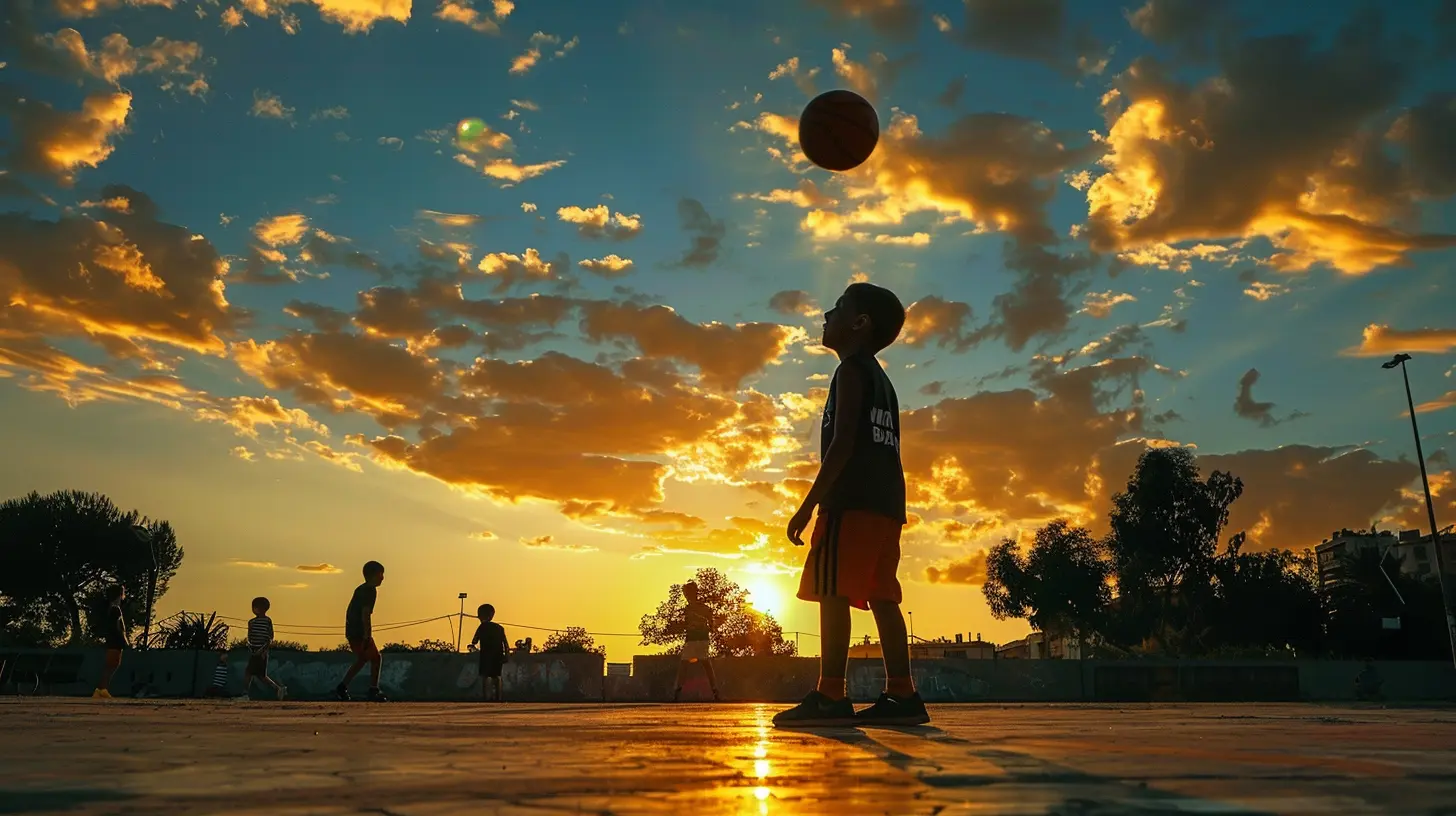
The Role of Coaches and Parents in Shaping Young Leaders
Now, sports alone aren’t a magic pill. The adults around kids — coaches and yes, us parents — are critical in shaping the kind of leaders our kids become.✔ Coaches as Mentors
A good coach does more than teach the rules. They model leadership. They show kids how to stay calm when the game’s not going well. They demonstrate how to be fair, patient, and persistent.When a child sees these traits in action, it sticks.
✔ Parents as Cheerleaders (Not Just Spectators)
Let’s be real: it’s easy to get caught up in scores and stats. But our role goes way beyond the sidelines.We can:
- Praise effort over outcome
- Encourage sportsmanship
- Teach our kids how to handle both wins and losses with grace
Our words and attitudes shape how our kids view leadership — whether we realize it or not.
How Different Sports Teach Different Leadership Styles
Not every sport teaches leadership in the same way. Each one brings its own vibe and lessons to the table. Here’s a quick breakdown:🏀 Team Sports (Basketball, Soccer, Football)
- Leadership Style Learned: Collaborative, vocal, and strategic- Kids learn to delegate, communicate, and play off each other’s strengths.
🏊 Individual Sports (Swimming, Tennis, Gymnastics)
- Leadership Style Learned: Self-motivated, disciplined, and focused- These sports teach personal responsibility and internal leadership — perfect for developing confidence.
🧗 Adventure or Outdoor Sports (Rock Climbing, Trail Running)
- Leadership Style Learned: Calm under pressure, adaptable, risk-aware- Often requiring calculated decision-making and resilience, these sports create quiet, strong leaders.
Tips to Help Your Child Grow as a Leader Through Sports
Here’s the fun, actionable part — how you can help your child get the most leadership growth out of their sports experience.⏩ Let Them Struggle a Bit
It’s tough watching your child have a bad game or struggle to keep up. But remember: growth happens in the discomfort. Let them wrestle with challenges before swooping in with solutions.⏩ Encourage Reflection
After a game or practice, ask open-ended questions like:- “What was your favorite moment today?”
- “Was there a time you helped a teammate?”
- “What would you do differently next time?”
These questions help them think like leaders.
⏩ Rotate Roles
If your child’s coach is open to it, encourage role rotation. Let your kid try defense, offense, or even serve snacks to build responsibility. Leadership shows up in unexpected places.⏩ Focus on the Journey, Not Just the Outcome
Wins are great, but personal growth is better. Celebrate qualities like perseverance, communication, and courage just as much as goals and points.Final Thoughts: Leadership Isn’t a Title — It’s a Habit
Here’s the big takeaway, parents — your child doesn’t have to be the team captain or MVP to grow into a phenomenal leader. Every game they play, every mistake they bounce back from, and every teammate they support is one more step towards becoming the kind of leader the world needs more of.So, next time you're cheering from the bleachers or tying those cleats before practice, take a moment to smile. Because while your child’s learning how to dribble or dive, they’re also building the courage to lead, the strength to stand up for others, and the heart to do what’s right — both on and off the field.
And that? That’s the real win.
all images in this post were generated using AI tools
Category:
Kids And SportsAuthor:

Steven McLain
Discussion
rate this article
2 comments
Bernadette Franklin
Great insights! Encouraging kids to participate in sports not only fosters physical fitness but also cultivates essential leadership skills, teamwork, and resilience—attributes that will benefit them throughout life.
March 4, 2026 at 5:47 PM
Steven McLain
Thank you! I'm glad you found the insights valuable. Sports indeed play a crucial role in developing important life skills in children.
Faelan Hamilton
Great insights! Encouraging kids in sports not only builds confidence but also nurtures essential leadership qualities for life.
March 1, 2026 at 5:33 PM
Steven McLain
Thank you! I completely agree—sports provide a unique platform for kids to develop confidence and essential leadership skills that benefit them throughout life.