How Educational Apps Still Contribute to Excessive Screen Time
3 December 2025
Let’s get one thing straight — educational apps are the modern-day gold star stickers, the digital “good job!” trumpets in the world of parenting. They promise to turn our kids into mini Einsteins while keeping them engaged and (bonus!) silent. I mean, who doesn’t love the sound of silence, especially when it’s educational?
But — and it’s a big but (cue Sir Mix-a-Lot) — even well-intentioned tech can go rogue. That cute little math kitten or reading robot might seem innocent at first, but before you know it, your kiddo’s had more screen time than you spend scrolling Zillow for homes you’ll never buy.
Yep, even educational apps can quietly and sneakily contribute to excessive screen time. Let’s unpack that, shall we?
The Digital Trojan Horse: When Learning Morphs Into Looping
Educational apps walk in noble. They wear glasses, sip from a coffee mug labeled “#1 Teacher,” and promise mental gains with every tap. But behind that polished UI lies a clever trickster.Sure, your kid might start with a spelling game. Then... an interactive vocabulary quiz. Followed by a “just one more level” math duel with a cartoon dragon. Before long, they’re in a digital labyrinth with no idea how they got there or what year it is.
So what gives?
Simple: these apps are designed to keep kids hooked. Even the most educational of them rely on some subtle (or not-so-subtle) gaming mechanics. Badges, points, streaks, and levels — they’re not just for Fortnite, folks. They tap into the same dopamine loops as regular games, which means more time staring at screens and less time climbing trees or turning your couch into a pirate ship.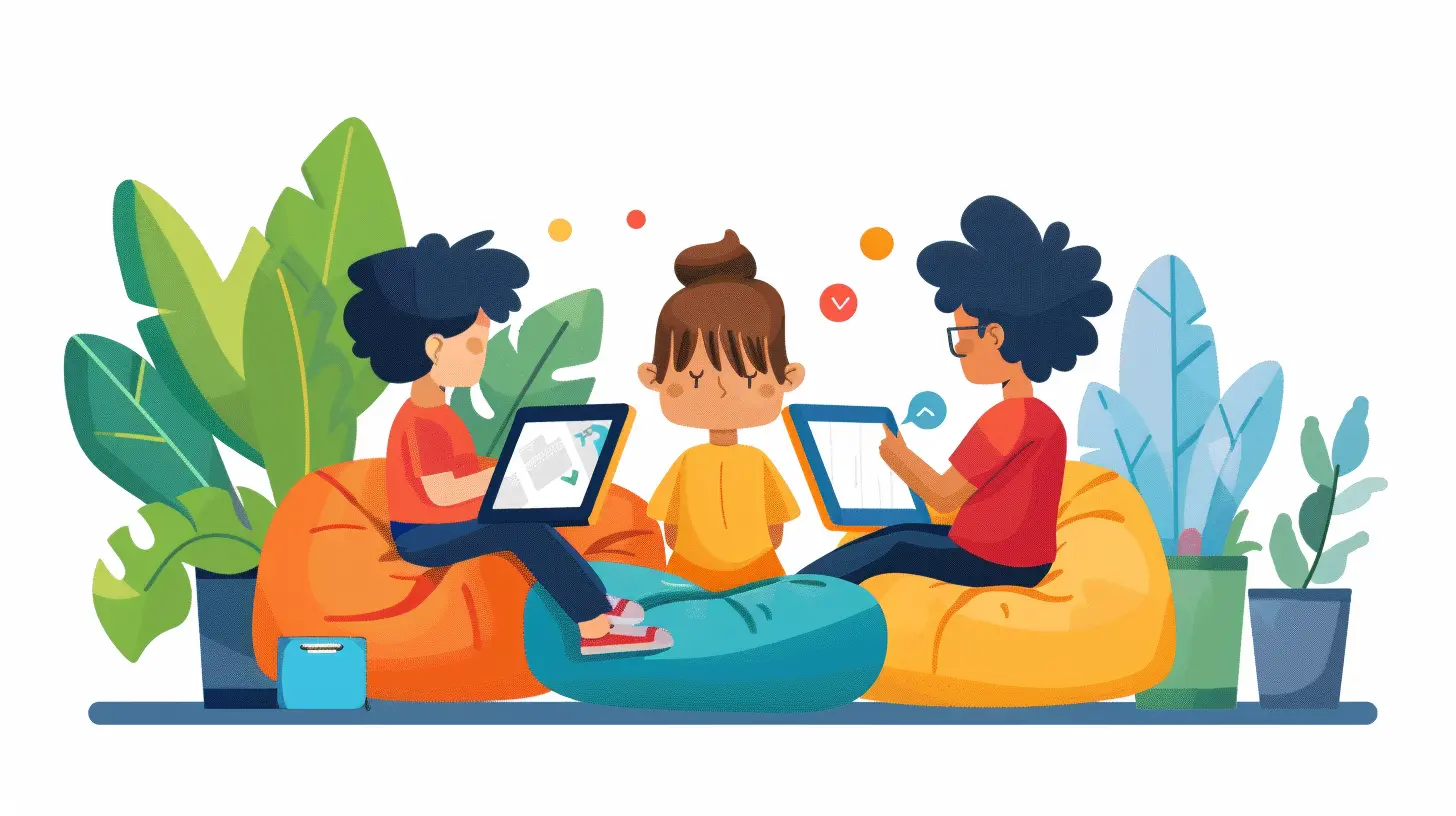
“It’s Learning!” — The Great Parental Justification
Let’s have a little heart-to-heart, parent to parent. How many times have you handed your tablet over with the words, “It’s fine, it’s an educational app”?Guilty? Same.
We’ve all done it. It’s our way of balancing the guilt of screen time with the promise of growth. “Sure, they’re on a device... but they’re learning about planets in Spanish while feeding a digital panda organic kale.”
The problem is, when we label everything with a “learning” sticker, we risk losing sight of how long they’re using it. Learning should be productive, not passive. And when kids are glued to a glowing screen for hours in the name of education, that’s more time their brains aren’t flexing in the wild — building tree forts, drawing with sidewalk chalk, or, heaven forbid, getting bored and imagining.
Let’s Talk Numbers, Shall We?
According to the American Academy of Pediatrics, children aged 2 to 5 should spend no more than one hour per day on high-quality screen time. For older kids? The advice is a little fuzzier, but moderation is still the golden rule.Now, let’s think realistically. One hour? Between virtual classrooms, Zoom piano lessons, and yes — educational apps — that limit often gets tackled before breakfast.
Here’s a quick hypothetical (that’s probably not as hypothetical as we’d like):
- 30 minutes of a literacy app before school
- 20 minutes of math practice during a learning break
- 15 minutes of a geography quiz while waiting for dinner
- 45 minutes of a science game because “it’s fun and educational!”
Boom. That’s over 100 minutes of screen time — and we haven’t even accounted for YouTube, Netflix, or Roblox (because, let’s be honest, those are probably happening too).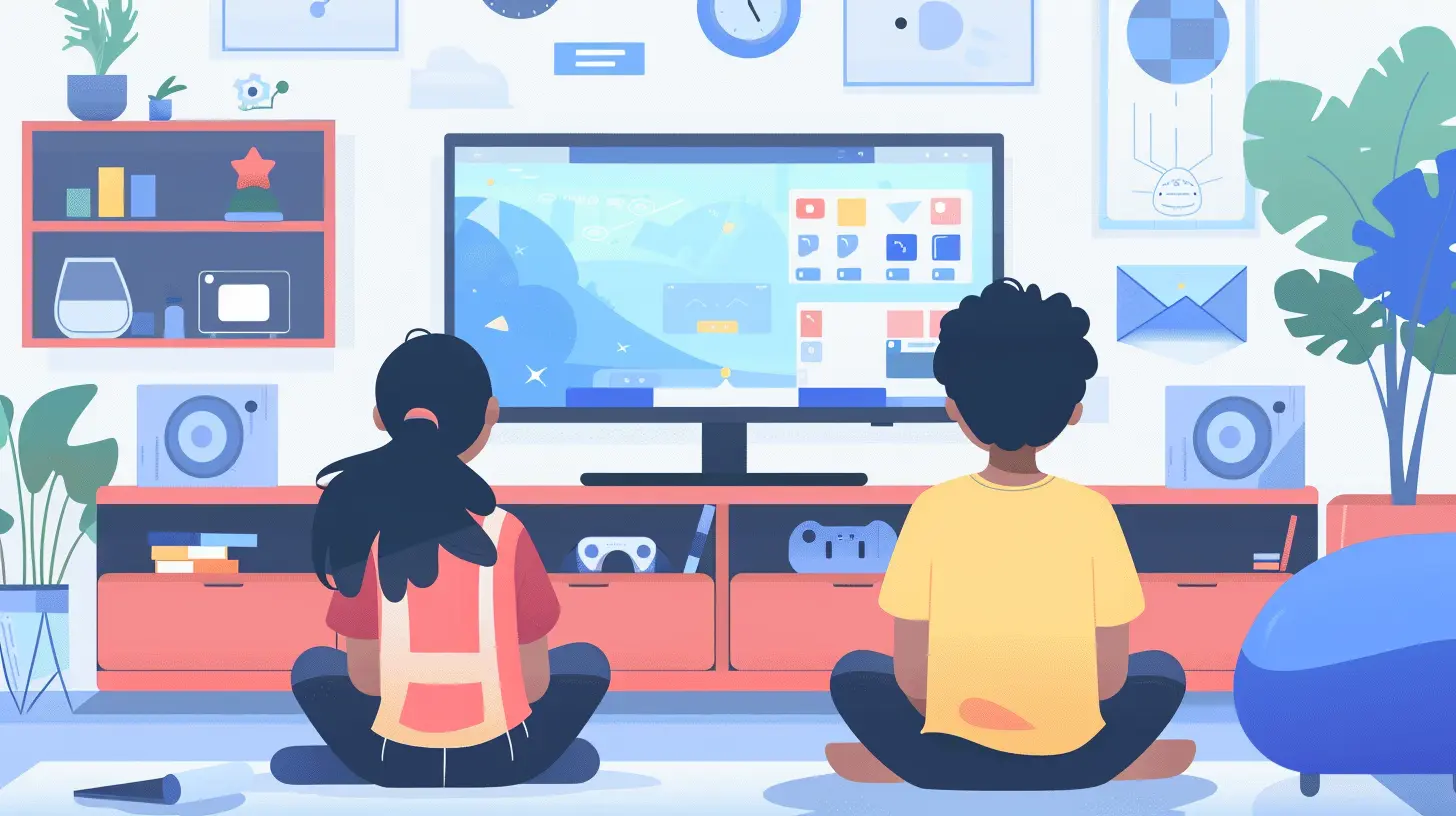
The Binge-Learning Phenomenon: When "One More Level" Becomes a Vortex
Ever notice how your kid suddenly becomes laser-focused when playing an educational app, even though their attention span rivals that of a fruit fly when asked to clean their room?That’s the power of gamification. Apps engineer progress through micro-rewards and addictive gameplay.
And it’s not necessarily evil — hey, we all want our kids to stay interested in learning, right? But when those “levels” start stacking like Pringles, things get dicey. The app doesn’t say, “Okay kiddo, that’s enough grammar for today." Nope — it says, “Good job! Here’s your next challenge!” Like a personal trainer who doesn’t care that it’s bedtime.
The Illusion of Interaction: Are They Really Engaged?
Here's a fun thought: just because a kid taps, swipes, and drags doesn’t mean they’re actively absorbing anything.Many educational apps are designed for busywork — they mimic engagement without real comprehension. It's like watching cooking shows and convincing yourself you're a gourmet chef. Spoiler alert: heating up frozen chicken nuggets doesn’t count as culinary artistry.
So, while it looks like your child is working hard solving math puzzles or spelling elaborate words, what they might really be doing is mindless tapping — chasing that next digital sticker.
When Screen Time Replaces Play Time
Remember when playtime involved mud pies and yelling “THE FLOOR IS LAVA”? Good times. That kind of free, unstructured play is more than just nostalgic — it’s essential for childhood development.But when educational apps dominate the day, they slowly squeeze out these organic experiences. Instead of building pillow forts, kids build castle walls on a screen. Instead of negotiating roles in a game of pretend, they follow a pre-programmed script in an app.
Play — real-world, messy, creative play — is how kids process emotions, build social skills, and develop independence. You know, all the stuff an app can’t quite simulate (no matter how friendly its emojis are).
Parental Peace of Mind… Or Denial?
Look, we get it — throwing on an "educational" label is reassuring. It makes us feel like we’re doing something right in this chaotic parenting game. And honestly, sometimes we just need 20 minutes to drink our coffee while it’s actually hot. No shame in that.But just like we wouldn't let kids eat an unlimited amount of “healthy” snacks (there’s such a thing as too many organic fruit roll-ups, trust me), we shouldn’t assume educational screens are harmless.
Balance is the magic word here, not abstinence. There’s a big difference between letting your kid use a reading app for 20 minutes and them zoning out for 3 hours while binge-learning like they’re cramming for toddler finals.
The Good News: You’re Still in Charge
Here’s the silver lining, my fellow screen-weary parent: you’re the boss. Yes, even when your child insists that the talking alphabet monster told them they HAVE to finish their bonus level or the universe will implode.You can:
- Set daily limits on screen time (and stick to them)
- Use analog activities to reinforce digital learning (books! blocks! your very own voice!)
- Designate screen-free zones in the house (bye-bye tablets at the dinner table)
- Schedule device-free windows during the day (go outside, chase squirrels, whatever works)
- Model healthy screen behavior (yep, put down your phone, too — ouch, I know)
Sometimes, You Gotta Say “That’s Enough Learning for Today”
This might feel weird at first. Saying “no” to more learning? Isn’t that like turning down vegetables?But here’s the thing: moderation doesn’t make you anti-learning, it makes you pro-balance. Being a well-rounded kid means having time to run, draw, snack, nap, and yes — even be bored (boredom breeds creativity; it's like compost for the imagination).
Educational apps have their place — they really do. Just be sure they aren’t taking more than they give.
Final Thoughts: It’s Not About Guilt, It’s About Awareness
Parenting in the digital age is like trying to juggle flaming swords while blindfolded. We’re all figuring it out as we go. So don’t beat yourself up if you’ve leaned a little too hard on those “learning” apps now and then.The key is being mindful. Acknowledge that even the most wholesome-looking app isn’t a free pass to hours of screen time. Reclaim time for the real world — where curiosity gets dirt under its fingernails and learning looks like face-painting a cardboard rocket ship.
Because at the end of the day, no high score on a tablet will ever beat the magic of a child lost in their own imagination — screen-free, wild-hearted, and wonderfully unplugged.
all images in this post were generated using AI tools
Category:
Limiting Screen TimeAuthor:

Steven McLain
Discussion
rate this article
2 comments
Katalina Cantu
It's important to balance educational apps with real-world interactions. Prioritizing quality time can nurture deeper connections and holistic development for our kids.
December 10, 2025 at 5:06 AM
Steven McLain
Absolutely, balancing educational apps with real-world interactions is crucial for fostering deeper connections and ensuring holistic development in children. Thank you for your insightful comment!
Kathleen McGhee
Great insights! It’s crucial to balance educational apps with offline activities to manage screen time effectively.
December 6, 2025 at 5:30 PM
Steven McLain
Thank you! I completely agree—striking that balance is essential for healthy screen time management.