Helping a Child Cope With Fear of Flying
12 November 2025
Airplanes: giant metal birds that somehow float in the sky—magical to some, terrifying to others. And if you're here, chances are you're dealing with a little human who's not quite sold on soaring 30,000 feet up in the air.
Helping a child cope with fear of flying is not just about getting through one flight without tears (and possibly a screaming meltdown in aisle 12). It’s about teaching them how to handle big feelings in tiny, cramped seats—preferably without elbowing the stranger next to them during turbulence.
So buckle up, because we're about to dive into the sky-high world of kiddo flight nerves—and how to smooth out those bumpy emotions like a pro.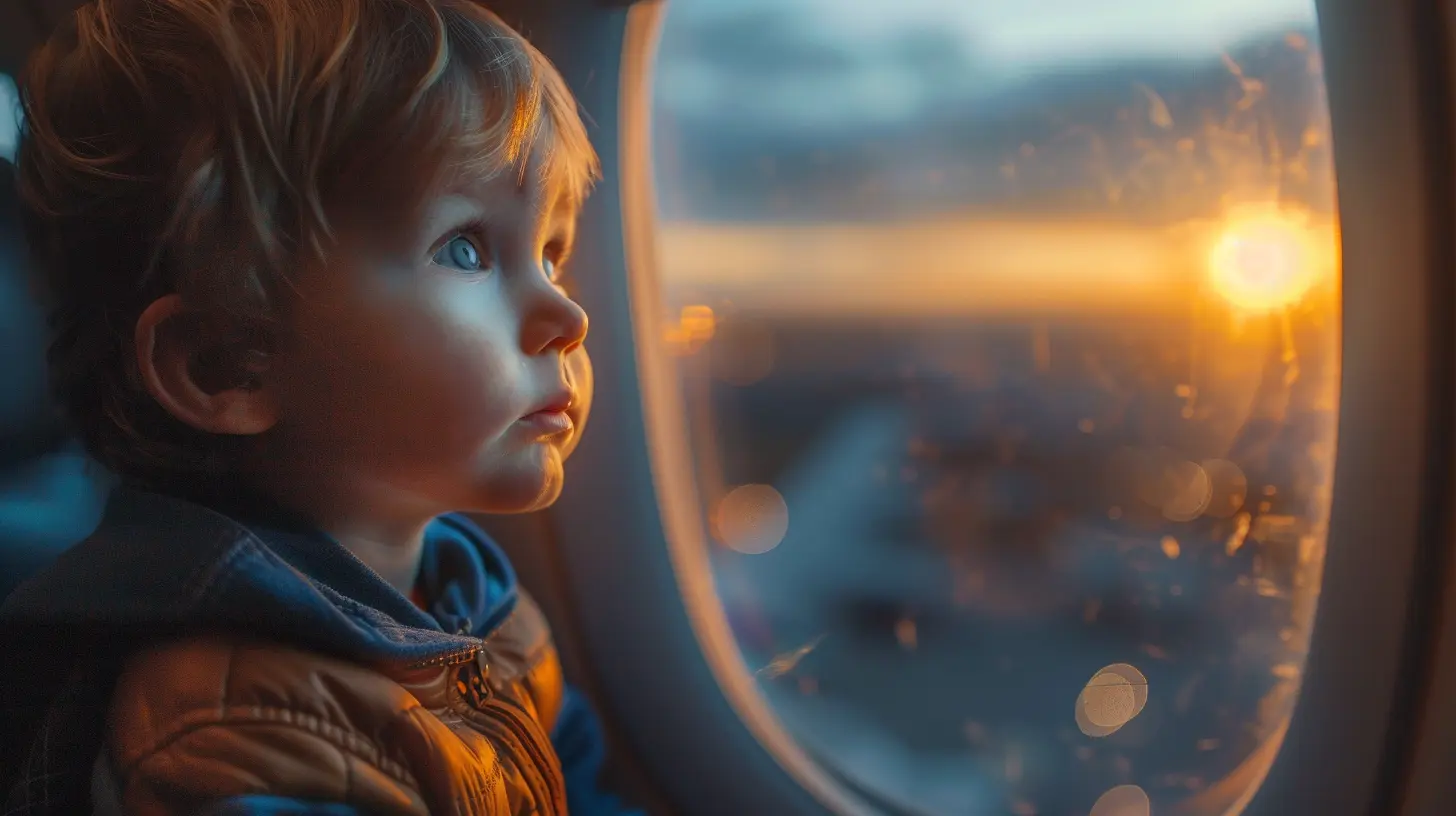
Why Are Kids Afraid of Flying?
Before we start dishing out solutions, let’s unravel the mystery: why does flying freak kids out?It’s not like they’ve read 15 horror stories about lost luggage and in-flight turbulence.
Here’s the deal: kids are highly imaginative creatures with an incredible flair for worst-case scenarios. (Think: what if the plane breaks? What if the clouds are too puffy? What if the pilot falls asleep?)
They also hate being out of control, and flying is literally handing over the reins to someone they’ve never met. Add in the loud noises, ear-popping pressure, and the fact that you're stuck in a metal tube with no escape hatch—yeah, it’s a recipe for anxiety.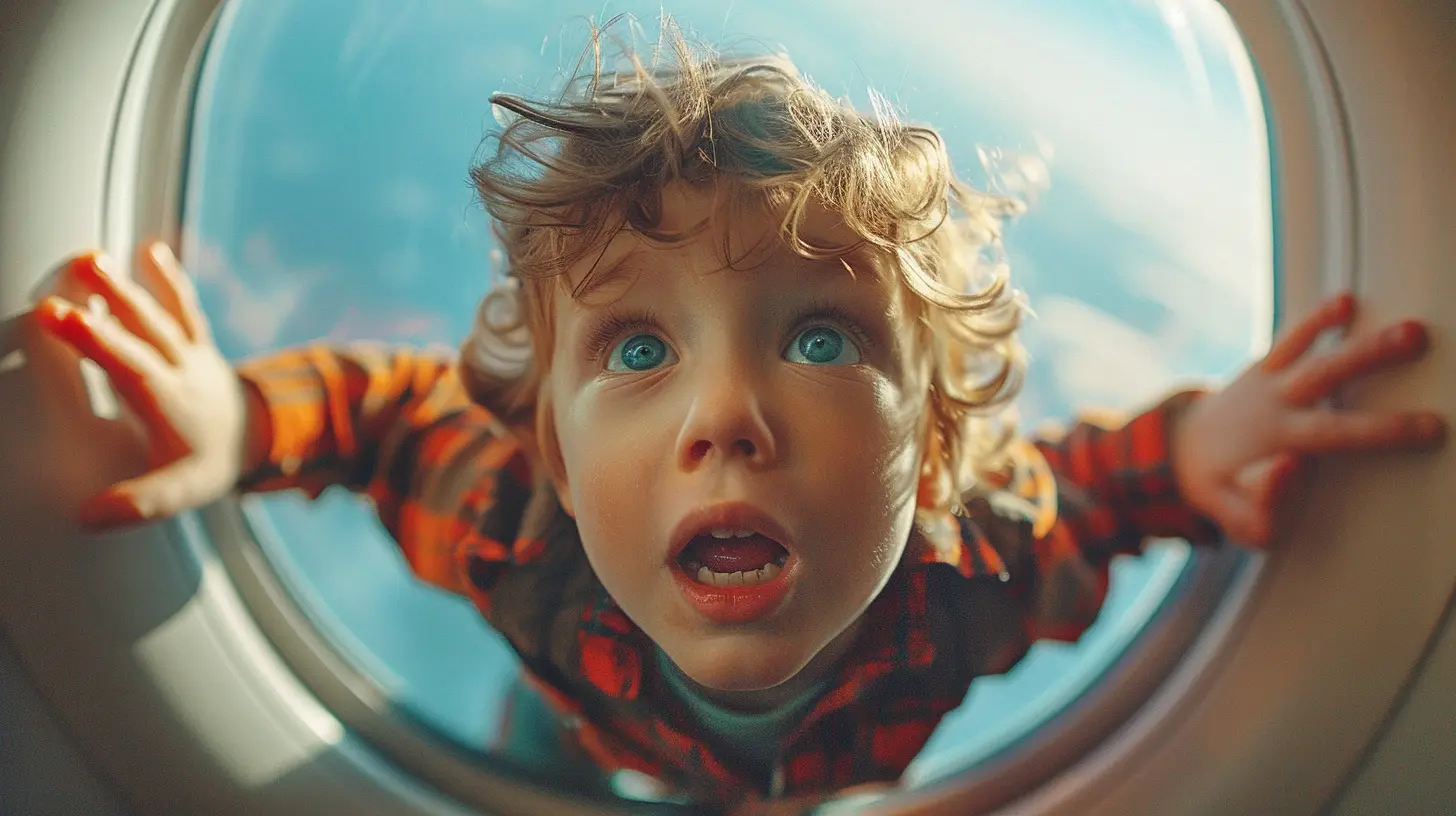
Spotting the Signs of Flight Fear
Sometimes the fear is loud and clear: "I don't wanna go on the plane! Planes are scary!"Other times, it’s sneakier. Keep an eye out for:
- Clinginess (more than usual)
- Trouble sleeping before the flight
- Tummy aches or headaches with no clear cause
- Meltdowns while talking about or packing for the trip
- Asking the same nervous questions over and over (a kid’s version of their brain’s anxiety playlist)
If your spidey senses are tingling and your kid seems anxious about flying, congratulations—you’re one step closer to helping them face it.
Talk It Out—But Keep It Cool
Sit down with your mini-travel partner and have an honest, calm chat.Not a lecture. Not a “Why are you being like this?” interrogation.
Just a heart-to-heart.
Start by asking open-ended questions:
“How are you feeling about the flight?”
“What part of flying makes you nervous?”
“Is there something that would help make it easier for you?”
Validate their fears. (Yes, even when they sound ridiculous to your logical grown-up brain. Fear doesn’t play by logic’s rules.)
Try this:
“I totally get it. A lot of people feel nervous about flying. Heck, even adults do!”
Make it a team problem. You’re not the pilot or a superhero (sadly), but you are their safe person. You’ll figure it out together.
Keep it Real (But Not Too Real)
When talking about flying, aim for honesty with a sprinkle of sugar.Telling them “There’s absolutely nothing to be afraid of” might backfire. They know that’s not totally true—otherwise, why would they feel scared?
But overwhelming them with technical jargon about lift and air pressure? Yeah, that's a no-go too.
Instead, offer simple, comforting facts:
- “Planes are one of the safest ways to travel.”
- “Pilots train for years—they know exactly what they’re doing.”
- “The bumps during the flight are just like driving over a bumpy road.”
Let them know it’s okay to be scared—and brave at the same time.
Practice Makes (Almost) Perfect
We’re not saying build a flight simulator in your garage. Unless that’s your thing… in which case, wow. Respect.But a little pretend-play goes a long way.
DIY Flight Rehearsal:
- Line up chairs for “seats”- Play airplane sounds from YouTube
- Let them choose their “carry-on” (toy bag, snacks, books)
- Pretend to buckle seatbelts, stow tray tables, and announce “turbulence” (shake the seat a bit—but not like a mini earthquake!)
The more familiar the experience feels, the less their brain panics when it’s go-time.
Distraction = The Ultimate Superpower
Never underestimate the power of distraction. Think of it as the parenting version of Jedi mind tricks.Load up the flight bag with:
- Favorite snacks (diversion + delicious = win-win)- New toys (nothing fancy, just something they haven’t seen before)
- Art supplies (bonus: drawing helps process emotions)
- Headphones and pre-downloaded movies/shows
- Puzzle books, games, magnetic toys
Basically, if it’s quiet, entertaining, and doesn’t roll under three rows of seats, it’s gold.
Let Them Feel Some Control
Feeling powerless is a big part of flight anxiety. So give back a little control (without letting them steer the plane—obviously).Let them:
- Pick their seat (window vs. aisle—yes, it matters)
- Choose a meal or snack
- Decide what toy or stuffed animal gets the honor of being the in-flight snuggle buddy
- Help with the packing list
Even tiny decisions can give them a big confidence boost.
Time Warp With Routine
Kids thrive on routine—and flights throw that rhythm straight into a blender.Try to mimic the regular schedule as much as possible:
- Keep meal times consistent
- Stick to usual nap or bedtime routines (g’luck with that one, but the effort counts)
- Bring a familiar blanket or pillow
- Same toothbrush, same bedtime story, same stuffed animal—consistency is comfort
Breathing Is Magic (Yes, Even for Kids)
Teach your child some easy-peasy breathing tricks. Think of it as their in-flight anxiety emergency toolkit.The Balloon Breathing Game:
Take a deep breath and slowly “inflate the balloon” (their belly) while counting to 4.
Hold for 2, then slowly “let the air out” while counting to 4 again.
Bonus: Get silly with it. Make balloon-blowing sounds. Add hand motions. Even draw a face on their stomach—it makes deep breathing way more adorable.
The Power of Stories & Books
Books can sneak in life lessons without your kid even noticing. Sneaky? Maybe. Effective? Oh yes.Here are some gems to help with flight fear:
- “The Airport Book” by Lisa Brown
- “Flight 1-2-3” by Maria van Lieshout
- “Amazing Airplanes” by Tony Mitton and Ant Parker
- “Auntie Mabel’s Airplane Adventure” (TV episode)
Better yet, create your own story! “The Tale of Brave Little Jamie Who Flew Through the Clouds” starring… your brave little Jamie. Kids love being the hero of their own adventure.
Celebrate the Victory (Even If It’s Small)
Was the flight meltdown-free? Fantastic!Was there only one outburst instead of four? We’ll take it!
Celebrate your child’s courage—even if they were scared the whole time. Bravery doesn’t mean fearlessness. It means doing something despite being afraid.
Say things like:
- “I’m so proud of how you handled that!”
- “You were really brave, even when you felt scared.”
- “You did it! You flew! High-five!”
Encouragement builds their confidence like bricks in a castle. A shaky, snack-stained, turbulence-proof castle.
When to Level Up (aka: Get Professional Help)
If your child’s fear is so intense it’s stopping family travel entirely—or they show signs of extreme anxiety—you’re not alone.Sometimes kids need help from a therapist, counselor, or child psychologist who knows all the best tricks in the emotional toolbox.
There’s no shame in calling in backup. After all, pilots have co-pilots—why shouldn’t parents?
Flying Forward
Helping a child cope with fear of flying isn’t about flipping a magic switch. It’s more like nudging them toward comfort, one bumpy cloud at a time.Some kids might always be a little nervous. That’s okay. Fear isn’t a flaw—it’s just a feeling. And when you teach your child how to sit with that fear, breathe through it, and face it head-on?
You give them more than just a smooth flight—you give them wings.
Final Boarding Call: Quick Tips Recap
- Talk it out—with kindness, not lectures- Rehearse with pretend play (bonus: giggles!)
- Distract like your sanity depends on it (spoiler: it does)
- Let them decide small things to feel in control
- Stick to routines and comfy items
- Practice calming techniques
- Celebrate every win—even the wobbly ones
And remember: someday, they’ll tell their own kids, “I used to be scared of flying, too.” And they’ll sound like the bravest human alive.
Until then, keep calm and carry on (with a carry-on packed to the brim with snacks and stickers).
all images in this post were generated using AI tools
Category:
Dealing With FearsAuthor:

Steven McLain
Discussion
rate this article
1 comments
Ariana McLain
It's important to validate their feelings and provide reassurance; open communication can make a significant difference.
November 12, 2025 at 3:28 PM
Steven McLain
Absolutely! Validating feelings and maintaining open communication are key to helping children feel supported and secure during their flight anxiety.