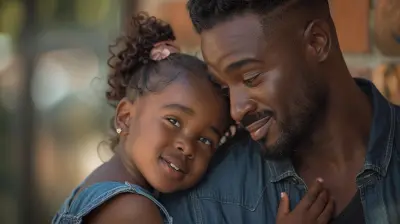
Guiding Kids Through Their Fear of Losing Loved Ones
23 May 2026
Let’s face it—talking about loss with kids isn’t easy. Navigating fear, uncertainty, and big questions from little hearts can feel like walking a tightrope without a net. But here’s the truth: helping kids process their fear of losing loved ones isn’t about having all the answers—it's about being present, honest, and calm while they ride their emotional waves.
In this article, we’re sitting down, heart-to-heart, as parents, caregivers, and trusted adults to talk about how to guide kids through this heavy but very real fear. Whether they've experienced a close loss or just started asking tough questions, we’ll talk about how to support them, what to say (and not say), and how to help them feel emotionally safe—even when they’re scared.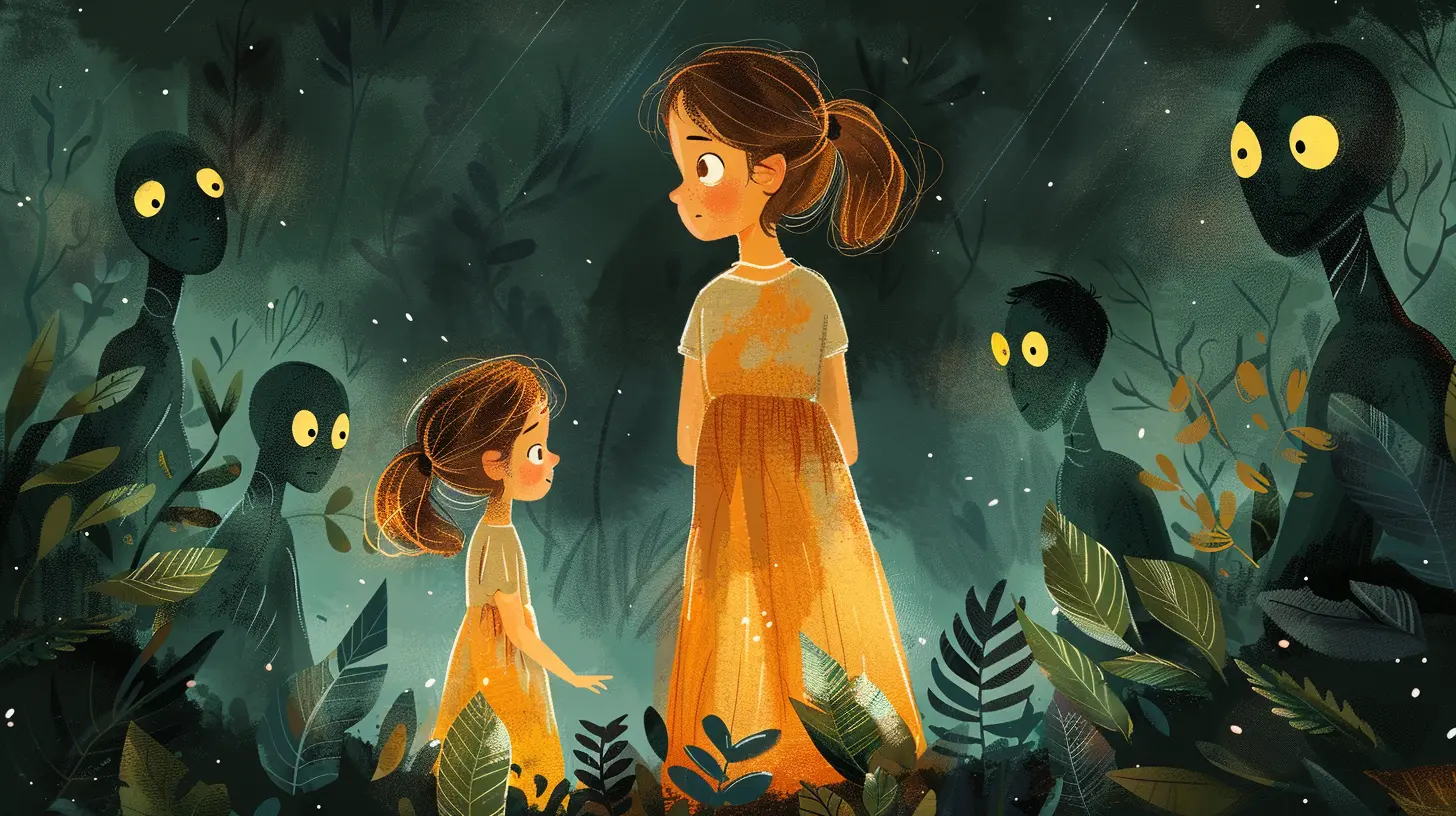
Why Are Kids Afraid of Losing Loved Ones?
Kids are intuitive—way more than we sometimes give them credit for. They pick up on emotions, overhear news, or notice changes in routines. That fear of losing a loved one usually kicks in when they start to understand the concept of death or separation.This fear tends to show up in different ways depending on their age. For toddlers, it might be clinginess. For older kids, it might look like anxiety or trouble sleeping. Regardless of how it surfaces, these fears boil down to one core emotion: fear of being left alone.
Let’s not sugarcoat it—death is a big concept. And for little minds still figuring out how bedtime works or why broccoli is a food group, the idea of "forever" is a lot to chew on.
How to Recognize the Fear in Its Early Stages
Kids don’t always come out and say, “I’m scared Mom might die.” Instead, the fear creeps out in behaviors or questions:- “What would happen if you didn’t wake up?”
- “Can pets die? Can you die?”
- “I don’t want to go to school—I feel sick.”
Sometimes it’s subtle, and other times it smacks you in the face during a bedtime story. Either way, here’s how you can spot the signs early:
- Sudden separation anxiety
- Trouble sleeping or nightmares
- Regression (like bedwetting or thumb-sucking)
- Constant questions about safety or death
- Overprotectiveness of family members
Recognizing the signs early gives us a chance to be proactive instead of reactive.
Talking About Death Without Scaring Them
Talking about death—it’s like trying to give a kid medicine. You know it’s for their good, but they’re not going to love it. Still, avoiding the topic just feeds the fear.Here's how to handle this delicate but necessary talk:
1. Be Honest, But Age-Appropriate
You don’t need to dive into the details of terminal illness or funerals with a 5-year-old. Keep it simple: “When someone dies, their body stops working, and we don’t see them anymore. But we can remember them and love them in our hearts.”For older kids, you can offer more context. But always use words they understand—and never try to cloak death in euphemisms like "sleeping" or "went away." That just adds confusion.
2. Normalize Grief and Emotions
Let them know it’s okay to cry, to ask questions, to feel scared, or even to be mad. Death is weird and complicated, and there’s no “right” way to react to it.Say things like:
- “It’s okay to feel upset or confused.”
- “I feel sad sometimes too when I think about Grandma.”
They need to see that grieving is a human response—not something to be ashamed of.
3. Reassure Their Security
The fear of losing someone usually ties closely to fear of their own safety. Kids want to know: if something happens to you, what happens to them?Reassure them gently: “I plan on being around for a very long time. And if anything ever happened, we have people who love you and will always take care of you.”
The goal? Replace uncertainty with calm confidence.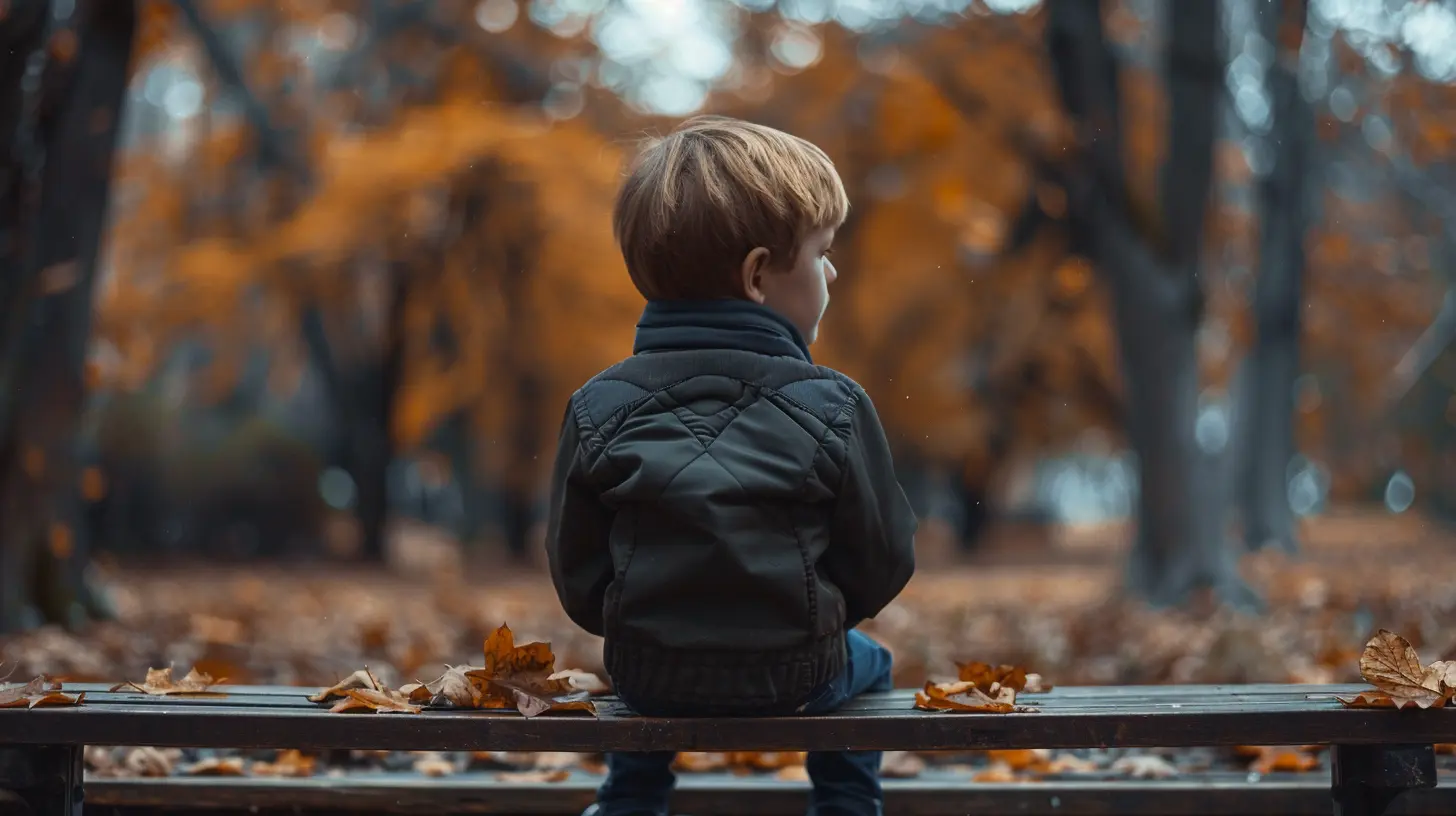
Helping Them Cope With Real Loss
If a child has already experienced the death of someone close, whether it’s a grandparent, pet, teacher, or even a parent, the fear becomes a reality. And wow, that’s tough.Create Room for Grief—In Their Own Way
Kids grieve differently than adults. Some withdraw. Some act like nothing happened. Some ask the same question a hundred times.That’s okay.
Create a space where they’re allowed to grieve however they need to—drawings, questions, tears, or even silence.
Use Stories and Books
There are some beautifully written children's books about loss that explain hard things in soft, poetic ways. Books give kids language and metaphors for feelings they can’t quite describe.Think of books as a bridge connecting their emotions with their understanding.
Let Them Participate in Rituals
If there’s a memorial service or family ritual to honor the loved one, let them be a part of it (if they want). Even lighting a candle, planting a tree, or making a memory box can be incredibly healing.It reminds them: people may leave, but love sticks around.
The Power of Routine and Normalcy
Here’s a surprising truth: in times of emotional chaos, the most comforting thing you can do is stick to your usual routines. Same bedtime. Same breakfast. Same storybook.Routine is like a warm blanket for the brain—it gives kids a sense of control when everything else feels wobbly.
Keep things predictable. Be consistent. That structure is more powerful than you think.
What NOT to Say (Even If It Feels Easier)
Sometimes, in an effort to “comfort” kids, we accidentally say things that make it worse:- “Don’t worry about that.”
- “Only old people die.”
- “God needed them more than we did.”
- “Just be strong.”
Yikes.
While well-meaning, comments like these shut down real feelings or confuse kids. Instead, lean into honesty and empathy:
- “I understand why that scares you.”
- “I don't have all the answers, but we can figure it out together.”
- “You're not alone in this.”
Teaching Emotional Resilience
Resilience isn’t about not feeling sad or scared. It’s about feeling those emotions and learning how to move through them.Here’s how to build emotional muscles:
1. Teach Naming the Emotion
Sometimes, kids just need help identifying what they feel. Use tools like emotion charts or face drawing exercises.Ask, “Do you feel sad, mad, scared, or something else?” The moment they can name it, it’s no longer this gigantic, shadowy monster.
2. Practice Mindful Breathing or Grounding Exercises
Introduce simple tools they can practice when anxiety creeps in:- Deep breaths with a stuffed animal on their belly
- Counting five things they can see, four they can touch, three they can hear...
- Drawing how they feel and then “erasing” the scary parts
These help them self-soothe and feel in control of their emotions.
3. Model Resilience Yourself
Kids watch us like a hawk. If we completely fall apart or dodge every uncomfortable conversation, they learn to do the same.Model healthy emotional expression. Say things like:
- “I’m feeling sad today, so I’m taking a few quiet minutes.”
- “This is hard, but I know we’ll be okay.”
You don’t have to be perfect—just authentic.
Encouraging Connection Over Fear
One of the most beautiful ways to soothe a child’s fear of loss is to lean deeper into connection.Spend quality time together. Laugh. Eat together. Snuggle up for movie nights. Build memories—these are the things that outlast fear.
Let them feel your presence. When they feel connected, their emotional security skyrockets.
When to Seek Professional Help
Sometimes fear becomes overwhelming. If your child is showing signs of severe anxiety—persistent nightmares, refusal to go to school, constant panic—don’t wait.Talking to a child therapist or grief counselor can work wonders. A professional can help your child develop healthy coping mechanisms customized to their unique personality and situation.
There’s no shame in asking for help. In fact, it shows strength.
Wrapping It Up: Leading With Love and Honesty
Guiding kids through their fear of losing loved ones isn’t about eliminating that fear—it’s about walking alongside them with love, support, and honesty. Yes, these conversations are hard. Yes, they hit you right in the heart. But trust me, your presence—your calm voice, your hugs, your listening ear—means the world to them.You don’t need all the answers. You just need a willing heart and the courage to sit in the tough feelings with them.
Because when children learn that fear doesn’t mean they’re alone—and that love lasts longer than life itself—they grow not just stronger, but more compassionate and emotionally wise.
And really, isn’t that what parenting is all about?
all images in this post were generated using AI tools
Category:
Dealing With FearsAuthor:

Steven McLain
Discussion
rate this article
2 comments
Deborah O'Neal
This article touches a crucial aspect of parenting. Addressing children's fears about loss is essential for their emotional growth. However, it's important to balance honesty with reassurance, allowing kids to express their feelings while providing the comfort they need to navigate such challenging concepts.
July 22, 2026 at 3:41 AM
Steven McLain
Thank you for your thoughtful comment. Balancing honesty with reassurance is key, and helping kids express their feelings is vital for their emotional health. I'm glad you found the article helpful.
Ursula McKinney
This article offers valuable insights for parents navigating children's fears and emotions effectively.
June 15, 2026 at 4:27 AM
Steven McLain
I'm glad you found it helpful! Supporting kids through tough emotions is so important.