Growth Spurts and Sports: How to Handle Youth Athletics During Key Development Phases
5 August 2026
As parents, we all want the best for our kids—especially when it comes to their health, growth, and passions. If your child is an athlete, chances are you've seen them go from clumsy kicks to lightning-speed sprints in what feels like the blink of an eye. The teenage years, in particular, are a whirlwind of change. One day their sneakers fit, the next they’ve outgrown them. Yep, we’re talking about growth spurts—those sudden, sometimes awkward, and always noticeable phases that can really impact a young athlete’s game.
So, how do you balance sports and growth? What should you look out for? And how do you support your child both physically and emotionally during this rollercoaster ride of development?
Let’s break it all down in a way that’s easy to understand and even easier to apply at home.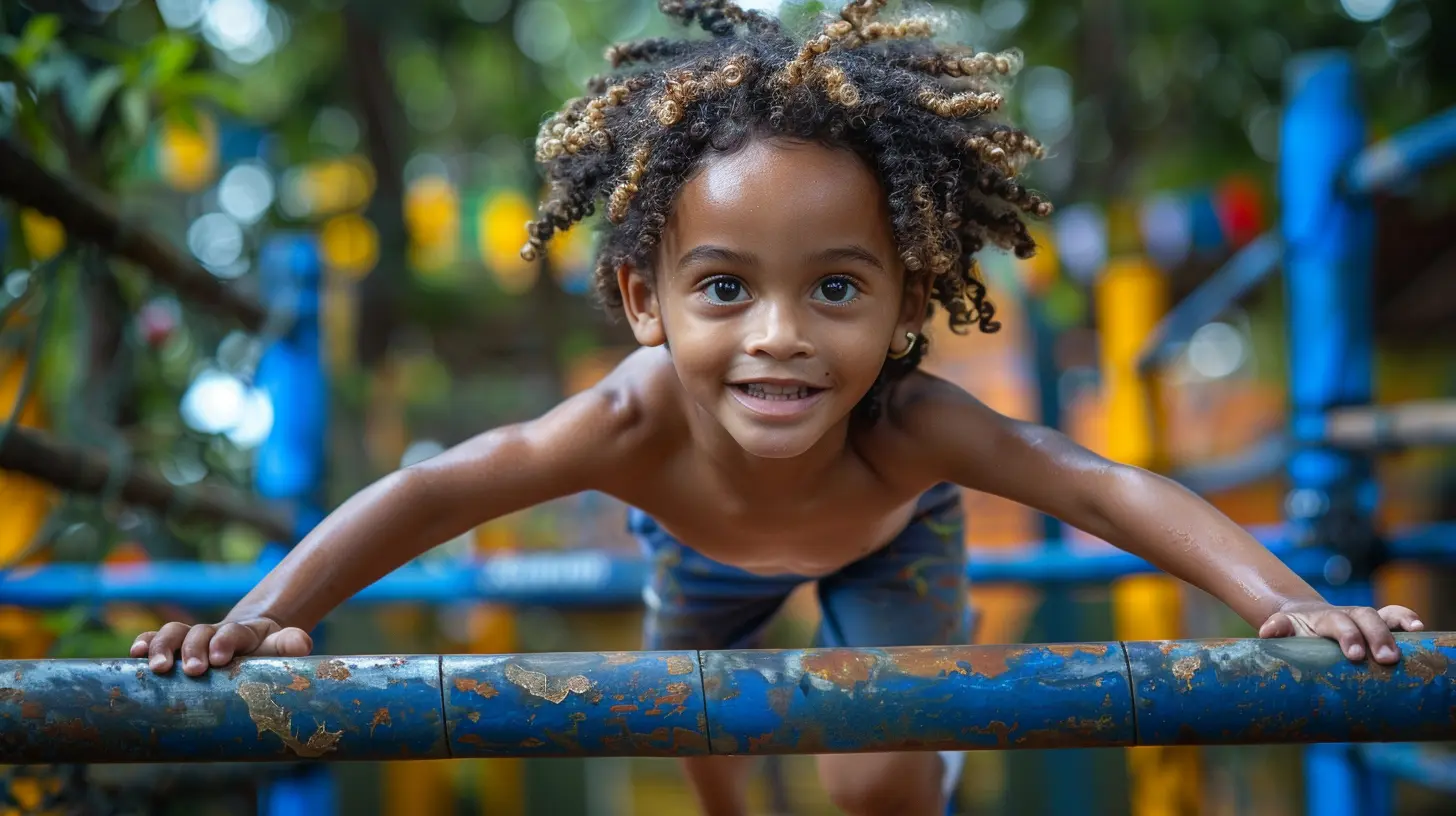
What Exactly Is a Growth Spurt?
Ah, the infamous growth spurt—it’s like your child is a balloon that someone just keeps inflating. But it’s not just about height. During growth spurts, kids experience rapid changes in weight, bone density, muscle mass, and even hormonal shifts. These spurts usually hit between ages 9 to 14 for girls and 10 to 16 for boys.Now here's the kicker: These changes don’t just happen overnight, but they’re fast enough to throw off coordination and muscle memory. That’s where sports get tricky.
How Growth Spurts Affect Athletic Performance
If you've ever seen your kid trip over their own feet during a soccer match or swing completely off-target during a game of baseball, don’t panic. It’s totally normal. Growing bodies can feel unbalanced, like trying to drive a car after someone secretly changed the steering wheel.Loss of Coordination and Balance
Limbs are growing, centers of gravity are shifting, and muscles need time to catch up. That child who was a soccer star last season might suddenly find it hard to dribble or maintain speed.Risk of Injury Increases
When bones grow quicker than muscles and tendons, the body is more vulnerable. Think of it like stretching a rubber band too fast—it doesn’t snap, but it’s definitely strained. Injuries like Osgood-Schlatter disease (knee pain), Sever’s disease (heel pain), and pulled muscles become more common.Fatigue and Mood Changes
Growing takes energy—tons of it. Your child may feel more tired, irritable, or unmotivated. This isn't laziness; it’s biology working overtime behind the scenes.
Supporting Your Young Athlete Through Growth Spurts
So, what can you do? Plenty, actually. The good news is that with the right approach, your child can keep playing the sport they love while staying safe and healthy.1. Prioritize Sleep Like It’s Game Day
Sleep is THE MVP when it comes to growth. It’s during deep sleep that the growth hormone kicks in. Aim for 9 to 11 hours per night, and maybe even a weekend nap if they’re running low on energy. If they're groggy, irritable, or slow to recover, chances are they’re not sleeping enough.2. Feed the Growth Beast
Growing athletes are like machines that need premium fuel. During these spurts, their appetites might spike — and that’s perfectly normal.What should be on their plate?
- Protein for muscles (chicken, eggs, beans)
- Healthy fats for brain function (avocados, nuts)
- Complex carbs for energy (whole grains, fruits)
- Calcium and vitamin D for bone development (milk, cheese, leafy greens)
And don’t forget hydration. Water is often the unsung hero of peak performance.
3. Talk About the "Clumsy Phase"
Some kids get frustrated when they feel like they’re uncoordinated or “bad” at their sport all of a sudden. Let them know it’s normal and temporary. It's like updating to a new operating system—things may glitch before they get smoother.Providing emotional support is just as important as the physical. Give them pep talks, remind them of their previous skills, and assure them that this is just a slight detour—not the end of the road.
4. Flexibility Over Intensity
This is not the time to ramp up hardcore training. Instead, focus on flexibility and functional movement.Activities like yoga, dynamic stretching, and bodyweight exercises can help them stay limber and reduce risk of injury.
Let coaches know what’s going on. Most of them understand the impact of growth spurts and can adjust training programs to avoid pushing too hard during these sensitive times.
5. Watch for the Warning Signs
Sometimes, a kid might not say anything about pain or discomfort because they’re scared they'll be sidelined. Keep an eye out for signs like:- Limping or favoring one side
- Reluctance to practice or play
- Persistent pain during or after activity
- Feeling unusually tired
If anything feels off, don’t hesitate to check with a pediatrician or sports physiotherapist.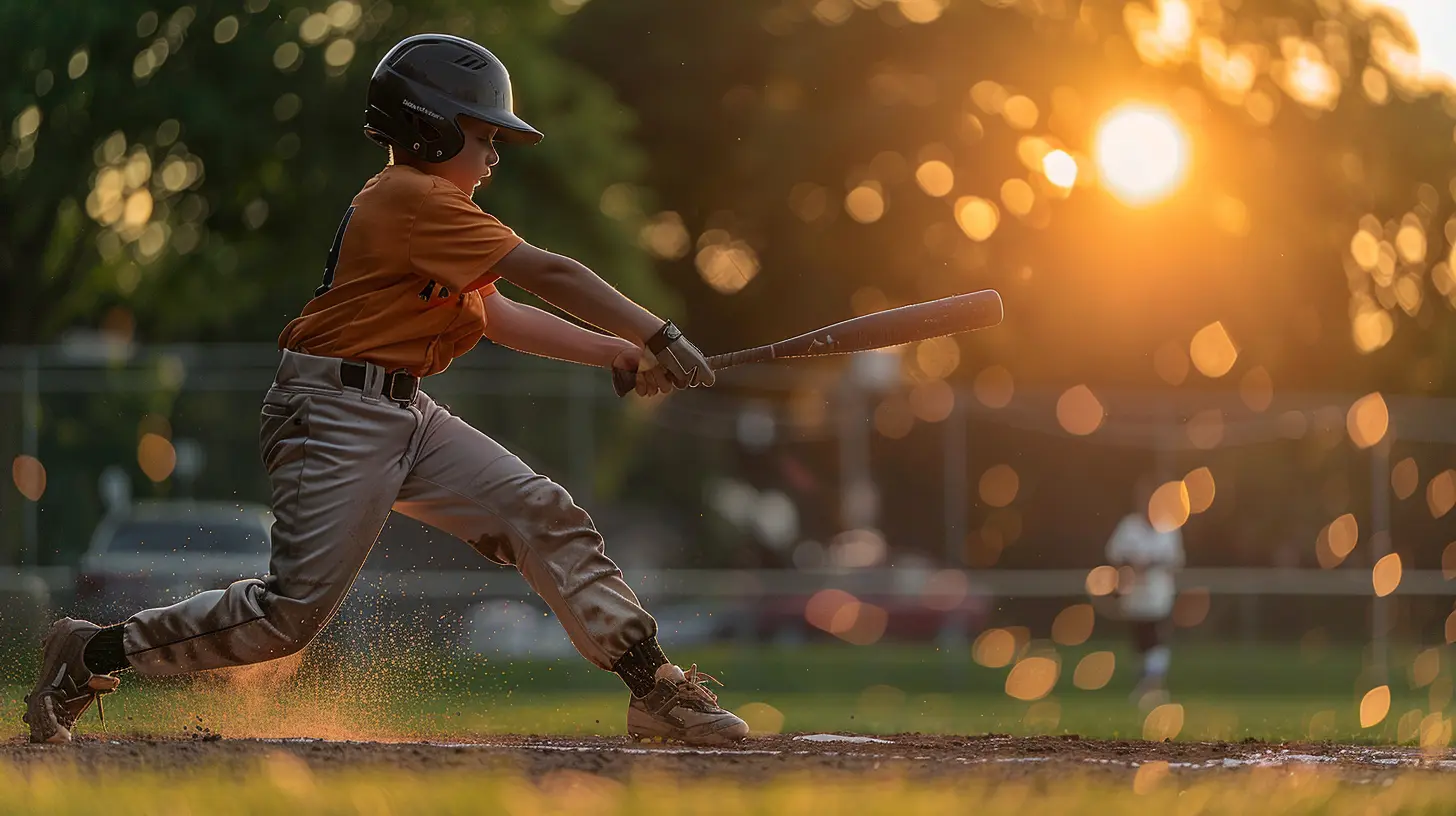
Coach and Parent Communication: A Winning Team
When parents and coaches are on the same page, kids win—literally and figuratively.Keep the lines open.
- Let coaches know about any physical changes or challenges.
- Ask about performance variations or attitude shifts they’ve noticed.
- Work together to adjust practice intensity or schedule rest days.
Trust me, no one wants your athlete burning out—or worse, getting injured—because of overtraining during a vulnerable growth stage.
Mental Health Matters Too
Let’s not forget the mental side of sports. Growth spurts can mess with self-esteem. Suddenly their uniform doesn't fit right, their body feels foreign, and they’re not performing at their best.Encourage them to talk about how they’re feeling.
Remind them that:
- It's okay to be frustrated.
- Everyone goes through it (even professional athletes).
- This phase won’t last forever.
Sometimes, just knowing they’re not alone is enough to ease the pressure.
When to Push and When to Pause
Every parent wants their child to reach their full potential, but knowing when to step back is just as important as cheering them on from the sidelines.If your gut says they need a break—listen to it. Take a week off or just scale down. Missing a few practices won't ruin their progress. In fact, it may prevent long-term setbacks.
Personalizing the Game Plan
No two kids grow at the same pace, and not all sports are equal when it comes to strain.For example:
- Gymnastics and figure skating demand flexibility and control—so a sudden growth spurt may throw balance off.
- Basketball or soccer players might face increased joint pain due to jumping and sprinting with longer limbs.
- Swimmers often find that growth spurts give them an edge—but only once they adapt to the new arm or leg length.
Track your child’s growth patterns and tailor their activities accordingly. It’s not about slowing them down; it’s about growing smart.
Final Thoughts: You’re Doing Great
Parenting a young athlete is no small feat. It’s a delicate dance of encouragement, support, and patience. And growth spurts? They’re just one part of the journey.So the next time your kiddo complains about sore knees or stumbles during practice, take a breath. Offer a hug. Serve a good meal. Help them stretch. And remind both of you that better balance—both physically and emotionally—is just around the corner.
Every phase is temporary, but the support you give? That sticks for life.
all images in this post were generated using AI tools
Category:
Kids And SportsAuthor:

Steven McLain
Discussion
rate this article
1 comments
Wendy Bennett
This article offers valuable insights on managing youth sports during growth spurts. It's important to balance physical activity with proper rest and nutrition. Encouraging kids to listen to their bodies can help them enjoy sports while navigating these crucial development stages. Thanks for sharing!
August 5, 2026 at 4:54 PM
Steven McLain
Thank you for your thoughtful comment! I completely agree that listening to their bodies is key for young athletes during these vital stages.