Effective Communication with Your Adopted Child’s Birth Family
26 December 2025
Adopting a child is a beautiful journey, full of love, growth, and, at times, challenges. One of the more delicate aspects of adoption is maintaining a healthy and open line of communication with your child’s birth family. Finding the right balance between openness and boundaries can feel like walking a tightrope. But when handled with care, it can provide your child with a strong sense of identity and belonging.
So, how do you manage this relationship in a way that benefits your child and keeps everyone feeling respected? Let’s dive deep into the best ways to communicate effectively with your adopted child’s birth family. 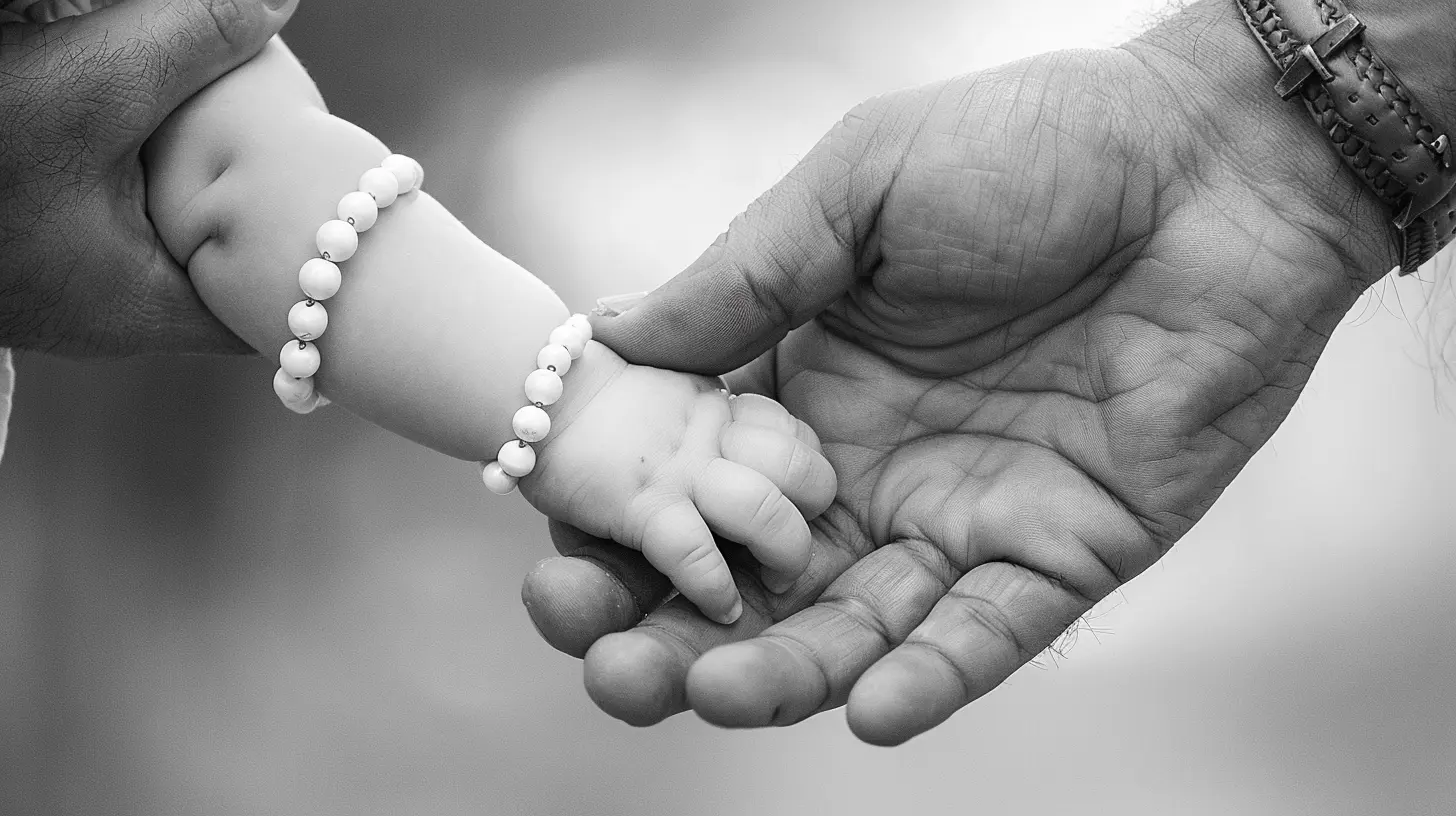
Why Birth Family Communication Matters
Adoption doesn’t erase a child’s past—it adds a new chapter to their life. For many adopted children, especially those in open or semi-open adoptions, maintaining a connection with their birth family can be incredibly beneficial.Helps with Identity and Self-Esteem
Kids naturally have questions about where they come from. Knowing and engaging with their birth family can help answer those questions and make them feel grounded in their identity. It reassures them that their adoption story isn’t about abandonment but about love and thoughtful decisions.Provides Medical and Cultural History
Beyond emotional well-being, staying in touch with the birth family can be practical. If health concerns arise, having access to family medical history can be invaluable. Plus, understanding cultural or ethnic heritage firsthand can help your child embrace their background with pride.Encourages a Sense of Security
Children with ongoing relationships with their birth families often feel more secure because they don’t have to wonder about their past. Even if the contact is limited, just knowing that their birth family cares about them can be incredibly comforting.
Establishing Healthy Communication Boundaries
Every adoption is unique, and so is every birth family’s situation. While some families are open to frequent communication, others may prefer a more measured approach. Whatever the case, setting clear boundaries is crucial to maintaining a healthy relationship.Define Roles Early
Before committing to a communication plan, it’s essential to have a candid conversation with your child’s birth family. Are they comfortable with direct contact? Would they prefer updates through an adoption agency or mediator? Defining these roles and expectations early on avoids confusion down the road.Determine the Best Communication Methods
Not every family will be comfortable with the same type of contact. Some families may prefer occasional letters and photos, while others may be open to video calls or even in-person visits. Find a method that works for everyone involved and is age-appropriate for your child.Respect Privacy and Boundaries
It’s okay if someone needs space. Birth parents might go through emotional highs and lows, and there could be times when they find communication too overwhelming. Giving grace and allowing space when needed is essential in building trust.
Handling Difficult Conversations
Even in the most amicable situations, difficult conversations will arise. Whether it’s a sensitive question from your child about why they were placed for adoption or a misunderstanding with the birth family, handling these conversations with care is key.Be Honest but Age-Appropriate
When children ask tough questions, such as “Why didn’t my birth parents keep me?” it's important to respond with honesty, but at a level they can understand. Avoid overly complicated explanations or negative language that could cause hurt feelings.For younger kids, a simple answer like, “Your birth parents loved you very much but couldn’t take care of you the way they wanted to, so they made a plan to find you a family that could” is often enough. As they grow older, you can provide more details as they become ready for them.
Keep the Focus on Love
Regardless of the circumstances of the adoption, reinforcing that the decision was made with love can help ease any feelings of rejection your child might experience. Even if there were difficult circumstances, emphasizing that their birth family wanted the best for them can provide reassurance.Address Misunderstandings with Compassion
Miscommunication can happen. Maybe a birth parent misunderstood something you said, or emotions got heated. When this happens, approach the situation with empathy. Instead of reacting defensively, try asking, “Can you help me understand how you’re feeling?” This approach fosters understanding rather than conflict.
Nurturing a Supportive Environment
Having a relationship with the birth family is one thing—but making it a healthy relationship is another. Here are some ways to create an environment where everyone feels supported and valued.Keep Communication Child-Centered
At the end of the day, your child’s well-being should be the focus of every conversation. Ask yourself, “Is this relationship helping my child feel secure, valued, and loved?” If the answer is yes, continue fostering it. If not, it may be time to reassess boundaries.Encourage Open Dialogue with Your Child
Your child should never feel pressured into a relationship they’re uncomfortable with. Keep communication open and check in with them regularly. How do they feel about their interactions with their birth family? Let them take the lead when they’re old enough.Utilize Professional Support if Needed
Sometimes, emotions run high, and challenges arise that you just don’t know how to navigate. That’s okay! Adoption counselors, therapists, or support groups can provide guidance and reassurance when issues get tricky.Navigating Social Media and Online Communication
In today’s digital world, social media can make birth family communication easier—but also more complicated. While it can be a great tool for staying connected, it can also present challenges regarding privacy and boundaries.Set Clear Guidelines
Before introducing social media as a communication tool, decide on boundaries. Will your child be allowed to have direct messages with their birth family? Should posts about adoption be private? Setting expectations early prevents confusion later.Monitor Conversations for Young Children
If your child is still young, monitoring their online interactions with their birth family can ensure that discussions remain healthy and age-appropriate.Encourage Respectful Online Interactions
Remind both your child and the birth family that words can be misinterpreted easily online. A kind approach and understanding tone go a long way in keeping communication positive.Final Thoughts
Building a relationship with your adopted child’s birth family isn’t always easy, but it can be incredibly rewarding. With mutual respect, clear boundaries, and a child-first mindset, this connection can provide your child with a strong sense of identity, security, and love.Remember, there’s no one-size-fits-all approach to birth family communication. Do what works best for your family and constantly check in to ensure that this relationship remains beneficial for your child.
Your child’s journey is unique, and so is the way you navigate these important relationships. With patience, kindness, and an open heart, you can create a loving and supportive environment where everyone feels valued.
all images in this post were generated using AI tools
Category:
AdoptionAuthor:

Steven McLain
Discussion
rate this article
2 comments
Renata Whitaker
Effective communication with your child's birth family? Just remember, it’s like juggling spaghetti—messy, unpredictable, but ultimately rewarding! Embrace the chaos, sprinkle in some humor, and you might just find a deliciously unique family recipe!
December 31, 2025 at 3:47 AM
Steven McLain
Absolutely! Embracing the chaos of communication can lead to a richer, more rewarding relationship. Humor and openness truly make navigating this journey worthwhile!
Ivan Pace
Open communication fosters trust and understanding, benefiting relationships with your adopted child's birth family. Prioritize empathy and patience.
December 29, 2025 at 4:55 PM
Steven McLain
Absolutely. Open communication truly strengthens bonds and builds trust, making it easier to navigate the complexities of these relationships. Empathy and patience go a long way.