Digital Boundaries: Talking to Kids About Screen Time After School
25 April 2026
Let’s be honest—screens are everywhere. From phones and tablets to TVs and smartwatches, our kids are surrounded. It’s no wonder that many parents feel like they're fighting a never-ending battle against screen time, especially after school when things can get… well, a little chaotic.
Sound familiar?
You’re not alone. Navigating how much screen time is too much—and how to talk to your kids about it—can feel like walking a tightrope while juggling. But it doesn’t have to be so tricky. With the right approach, setting digital boundaries after school can actually strengthen your connection with your child, instead of causing daily power struggles.
Ready to take the drama out of screen time? Let’s dig in.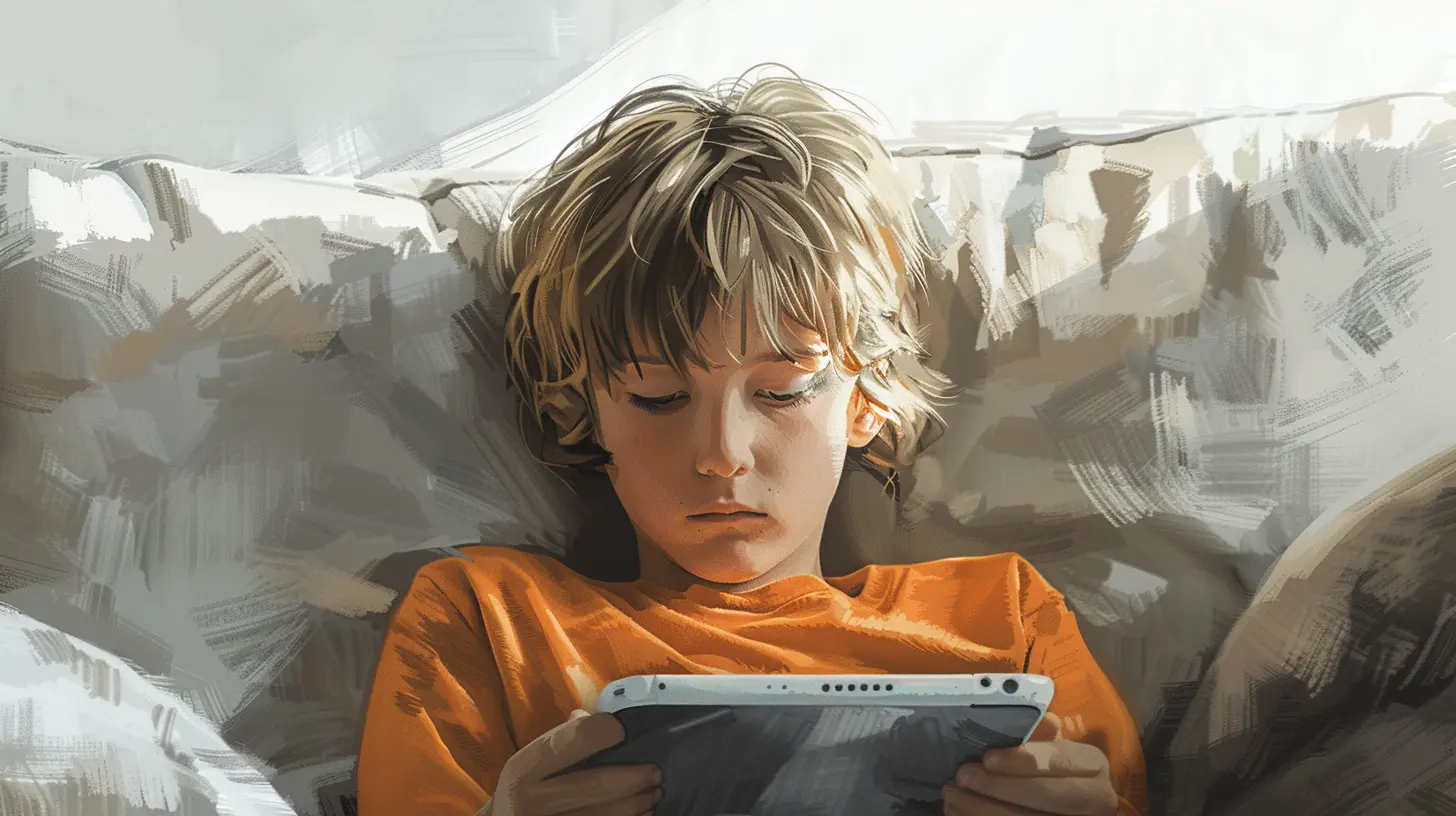
Why Screen Time After School Feels So Tempting—for Everyone
After a long day of learning, kids crave downtime. And what’s more instantly gratifying than a screen? Whether it’s zoning out with YouTube, gaming with friends, or scrolling through social media, screens are an easy escape.Let’s face it—we as adults do it too! After work, we might flop onto the couch and flip through our phones. So it’s only natural that our kids want to do the same. But unlike us, their brains are still developing and highly sensitive to digital stimulation.
That’s where things get tricky.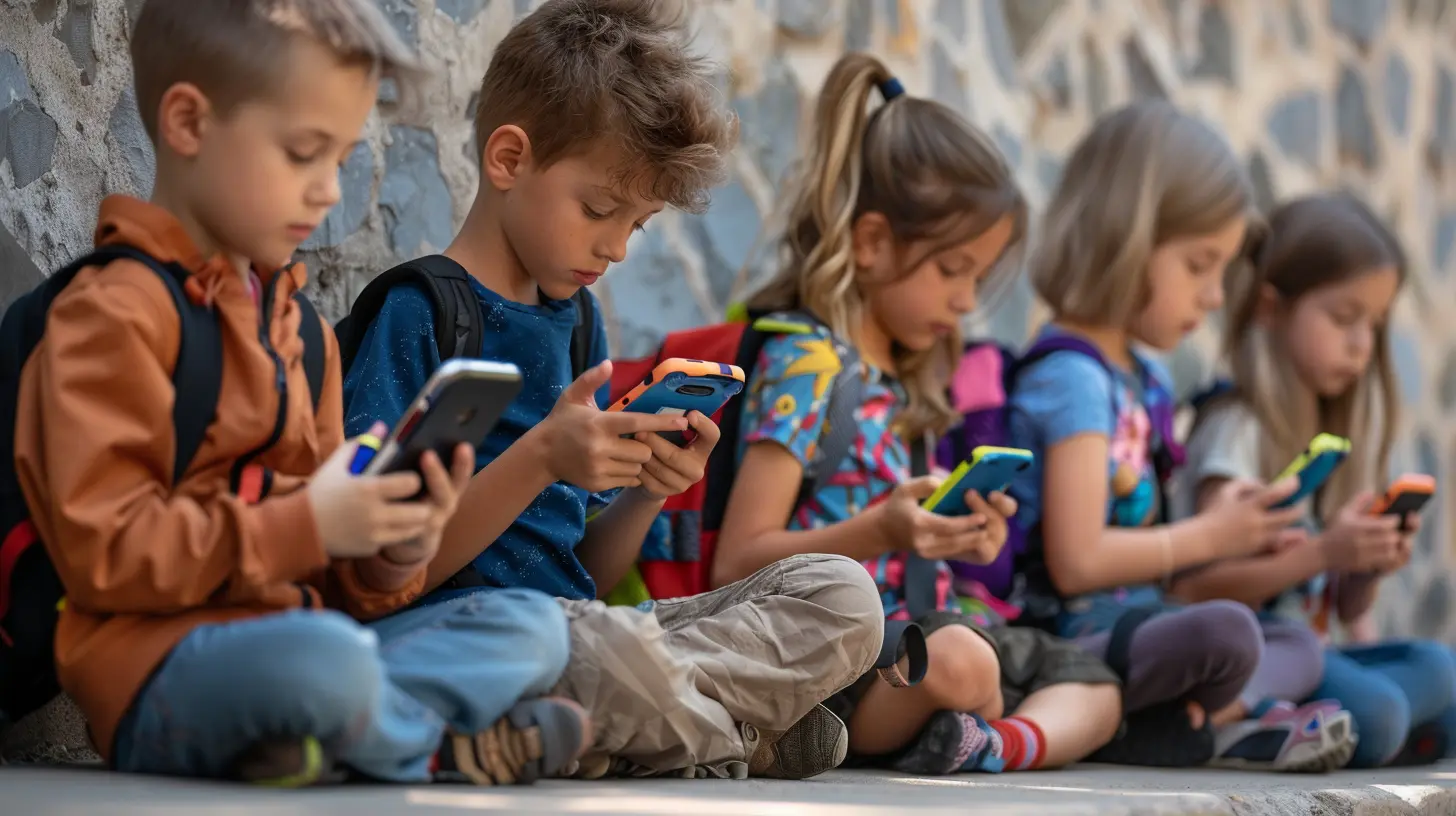
What’s the Big Deal About Too Much Screen Time?
We’re not saying screens are evil. Technology can be educational, social, and even calming. But when screen use spirals out of control, especially after school, it can affect more than just bedtime routines.Here’s what too much screen time can mess with:
- ? Mental health: Increased anxiety, attention issues, and mood swings
- ? Sleep: Blue light delays melatonin production, causing sleep disruption
- ? Academic performance: Less time for homework or reading
- ?♂️ Physical health: Less movement = increased risk of obesity
- ? Family bonding: Screens can replace meaningful connection
Bottom line: unchecked screen time can sneak in and steal from the things that really matter.
The Real Challenge: Finding the Right Balance
We’re not asking you to ban all screens. That’s not realistic, and honestly, it’s not necessary. It’s about creating balance. Think of it like a digital diet—too much junk isn’t good, but some “screen snacks” are okay when paired with “mental vegetables” like outdoor play, reading, and chores.Finding that balance starts with a conversation. And no, we’re not talking about a lecture.
We’re talking about an open, honest, and respectful talk with your kids.
How to Talk to Your Kids About Screen Time (Without the Eye Rolls)
Now for the part that really matters: how you talk to your child about screen time after school. The goal isn’t to control them—it’s to guide and empower them. Here's how:1. Start With Curiosity, Not Control
Begin the conversation by asking, “What do you like to do on your screen when you get home?” or “How does it make you feel after you’ve been on your phone for a while?”This shows you care about their perspective. And when kids feel heard, they’re more likely to be receptive.
2. Share Your Observations Gently
Use “I” statements instead of “You always…” That keeps things cool and non-confrontational.For example:
- “I’ve noticed you seem more tired in the evenings. Do you think screen time could be part of that?”
- “I feel like we’re missing out on our after-dinner chats when everyone’s on their devices.”
This focuses on connection, not blame.
3. Set Expectations as a Team
Kids are more likely to follow boundaries they’ve helped create. So sit down and decide on a post-school screen time plan together.Ask questions like:
- “How much time do you think is fair for screens after school?”
- “What should come first—homework, snacks, or screen time?”
- “What are some other ways we can relax after school besides screens?”
You’d be surprised—kids often suggest limits more strict than you’d expect!
Creating a Realistic After-School Screen Time Plan
Once your child is onboard, it’s time to build a game plan. Not too strict. Not too loose. Think of the Goldilocks rule: just right.? Step 1: Build a Consistent After-School Routine
Structure helps kids feel safe and reduces the urge to default to screens.Here’s a sample framework:
- 3:30 PM: Snack & chill time (screen-free)
- 4:00 PM: Homework or reading
- 5:00 PM: Physical activity or hobby
- 6:00 PM: Screen time (30–60 minutes)
- 7:00 PM: Dinner & family time
Adjust times and tasks to match your family’s rhythm. Post the schedule somewhere visible and stick to it consistently.
? Step 2: Set Clear Screen Time Limits
Draw a clear line on how much is too much. Whether it’s 30 minutes or an hour, make it predictable and fair. Use apps and device settings (like Screen Time on iPhones or Family Link on Android) to help enforce limits if needed—but always explain why the limits exist.It’s not about punishment. It’s about priorities.
? Step 3: Define “Good” vs “Mindless” Screen Time
Not all screen time is created equal. Watching an educational show or chatting with grandma on Zoom? Awesome. Mindlessly swiping TikTok for hours? Not so much.Brainstorm with your child:
- Which apps and games are enriching?
- Which ones feel like time-wasters or cause bad moods?
Create a list of “quality screen time” options and encourage those right after school.
Avoiding Common Screen Time Pitfalls
Let’s face it—it won’t always go smoothly. But knowing the traps ahead of time can help you sidestep most of them.❌ Pitfall 1: Giving Screens as a Reward (Or Punishment)
It’s super tempting to say, “Finish your homework and you get iPad time.” But guess what? That teaches your child that screen time is the prize and homework is the chore.Instead, mix in non-screen rewards like:
- Extra playtime outside
- A fun board game after dinner
- Picking what’s on the dinner menu
Make screens just a part of the routine—not the grand prize.
❌ Pitfall 2: Using Screens to Stop a Meltdown
We’ve all been there. Your kid’s melting down and the tablet is right there. It’s the digital pacifier—but it’s a short-term fix for a long-term problem.Instead, validate their feelings and offer alternatives:
- A cozy reading nook
- A calming jar or stress ball
- Music or a walk around the block
Helping kids manage their emotions without screens builds resilience.
Practicing What You Preach: Your Own Screen Time Habits
Yep, this one stings a little. But our kids are watching us more than they're listening. If we’re glued to our phones from the moment we walk in the door, they’ll mimic our habits.Try this:
- Keep phones off the table during dinner
- Set “no screen” hours for the whole family
- Use an alarm clock instead of your phone to avoid bedtime scrolling
When your child sees you balancing screen time, they’ll believe it’s possible for them too.
Encouraging Screen-Free Alternatives After School
Rather than just saying “no screens,” give your child a “yes” to something else. Remember, kids need help transitioning out of screen habits. So swap screen time with something engaging.Here are some easy, screen-free after-school ideas:
- Do a puzzle together
- Bake cookies or make snacks
- Go for a bike ride or walk
- Create an art zone or DIY craft shelf
- Read a new chapter book together
Think of this as building a "menu of options"—something they can choose from each day.
When to Be Flexible About Screen Time
Life happens. Some days your kid’s fried, you’re fried, and a bit of screen time is just what the doctor ordered. That’s okay.The key is intentional flexibility. If you occasionally say, “Let’s watch a movie together tonight,” it becomes a special event, not a daily default.
It’s not about being perfect. It’s about being present and thoughtful.
Wrapping It Up: Connection Over Control
At the end of the day, digital boundaries aren’t really about screens—they’re about relationships. When we approach screen time as an opportunity to teach balance, self-control, and connection, we set our kids up for success—not just online, but in life.It’s not going to be perfect. But every conversation, every boundary, every screen-free giggle you share after school? That’s a win.
So go ahead—have that talk. Collaborate. Set those limits. And don’t forget to put your own phone down and join the fun.
Because the best screen to look at after school? That beautiful little face smiling back at you.
all images in this post were generated using AI tools
Category:
Limiting Screen TimeAuthor:

Steven McLain
Discussion
rate this article
2 comments
Maria Riggs
Setting digital boundaries isn’t just a suggestion—it’s essential. Kids thrive in balanced environments, and teaching them about screen time after school fosters healthier habits. Let’s face it: screens are here to stay, but it’s our responsibility to guide them. Empower your kids to choose wisely and reclaim family time!
April 29, 2026 at 4:18 AM
Steven McLain
I completely agree. Setting those boundaries is key to helping kids develop a healthy relationship with screens while also prioritizing family time. It's all about balance.
Elsinore McAdoo
Great insights! Setting digital boundaries is essential for healthy screen time habits. Thank you for sharing these practical tips for parents!
April 26, 2026 at 3:50 PM
Steven McLain
Thank you for your kind words! I'm glad you found the tips helpful. Setting those boundaries can really make a difference.